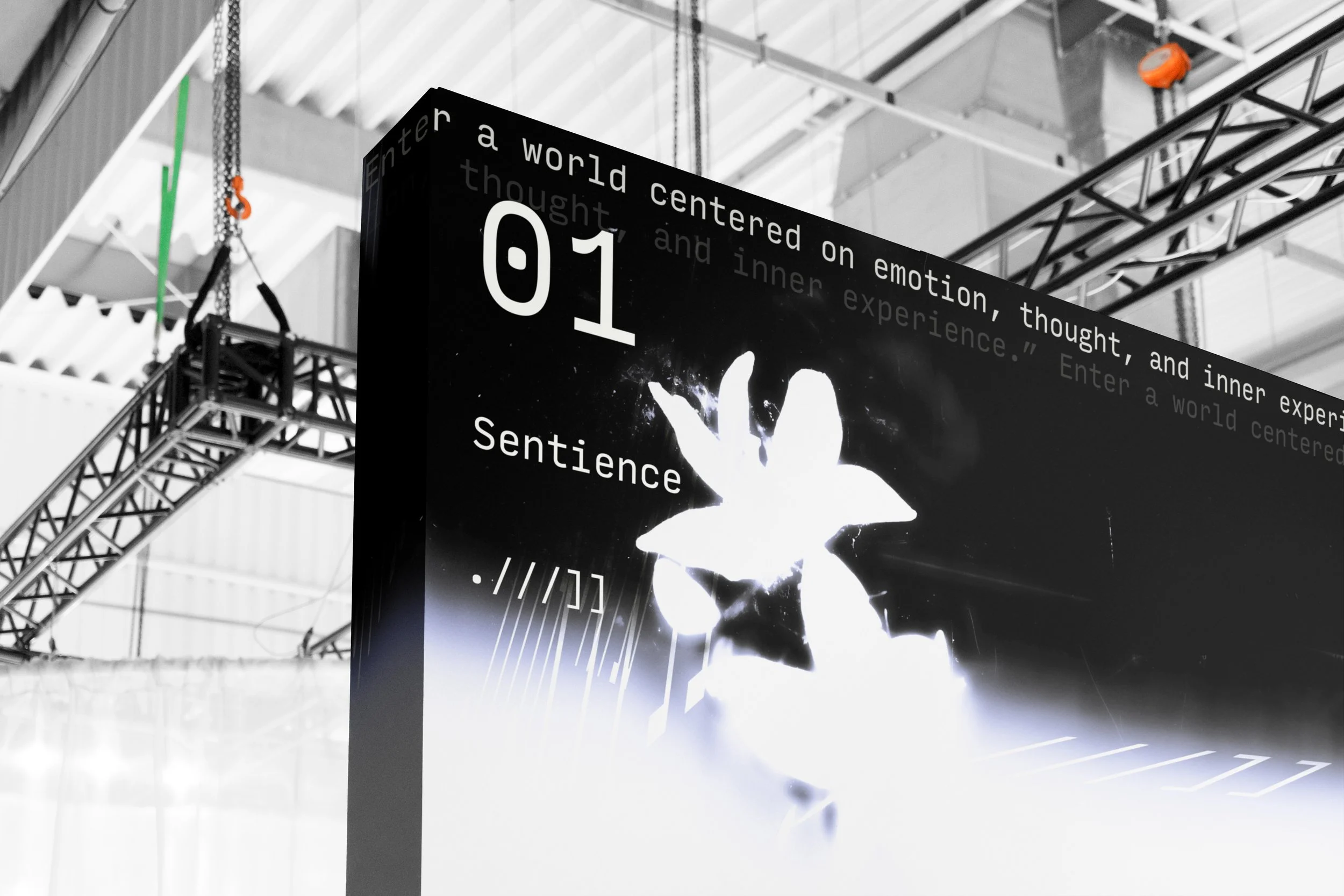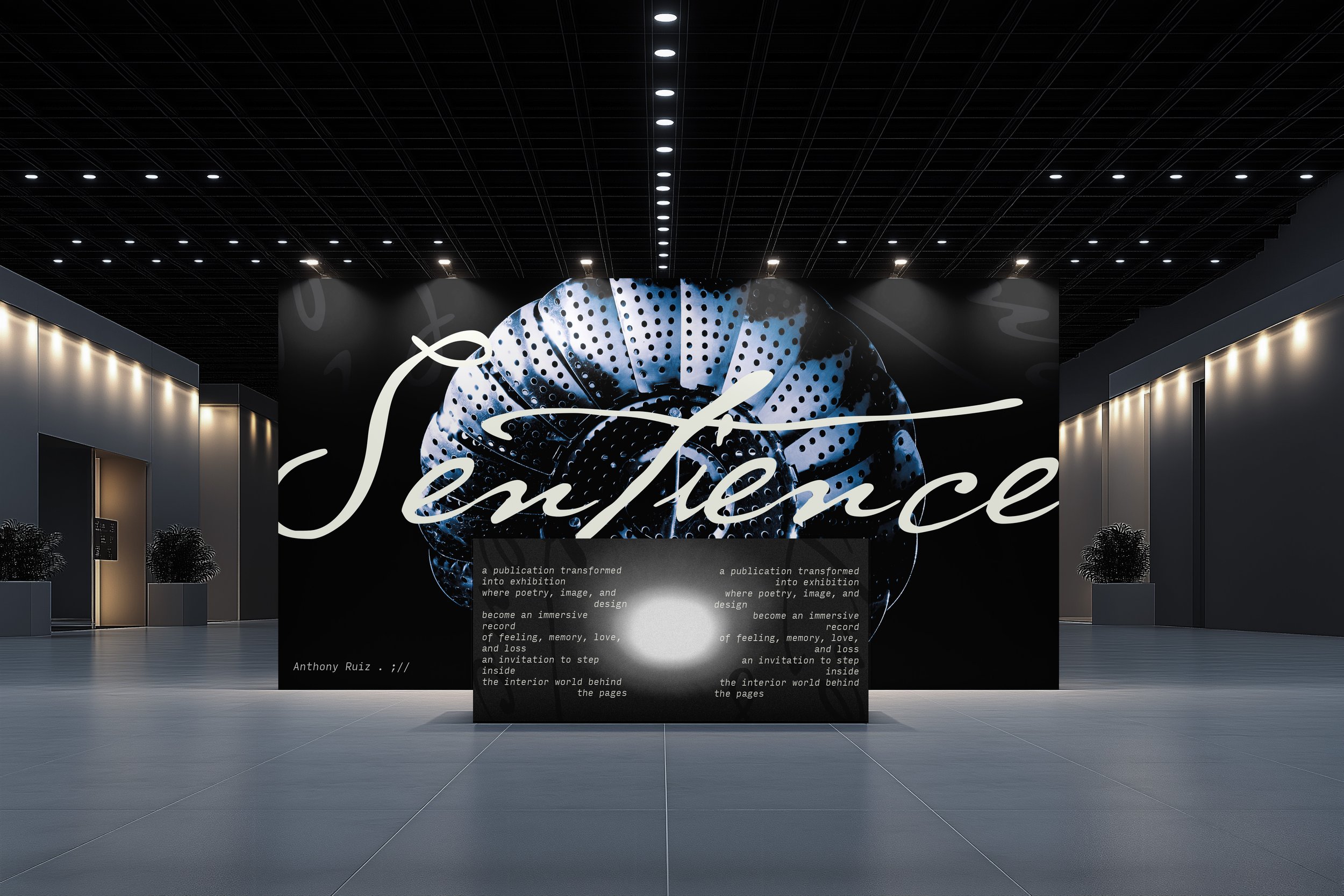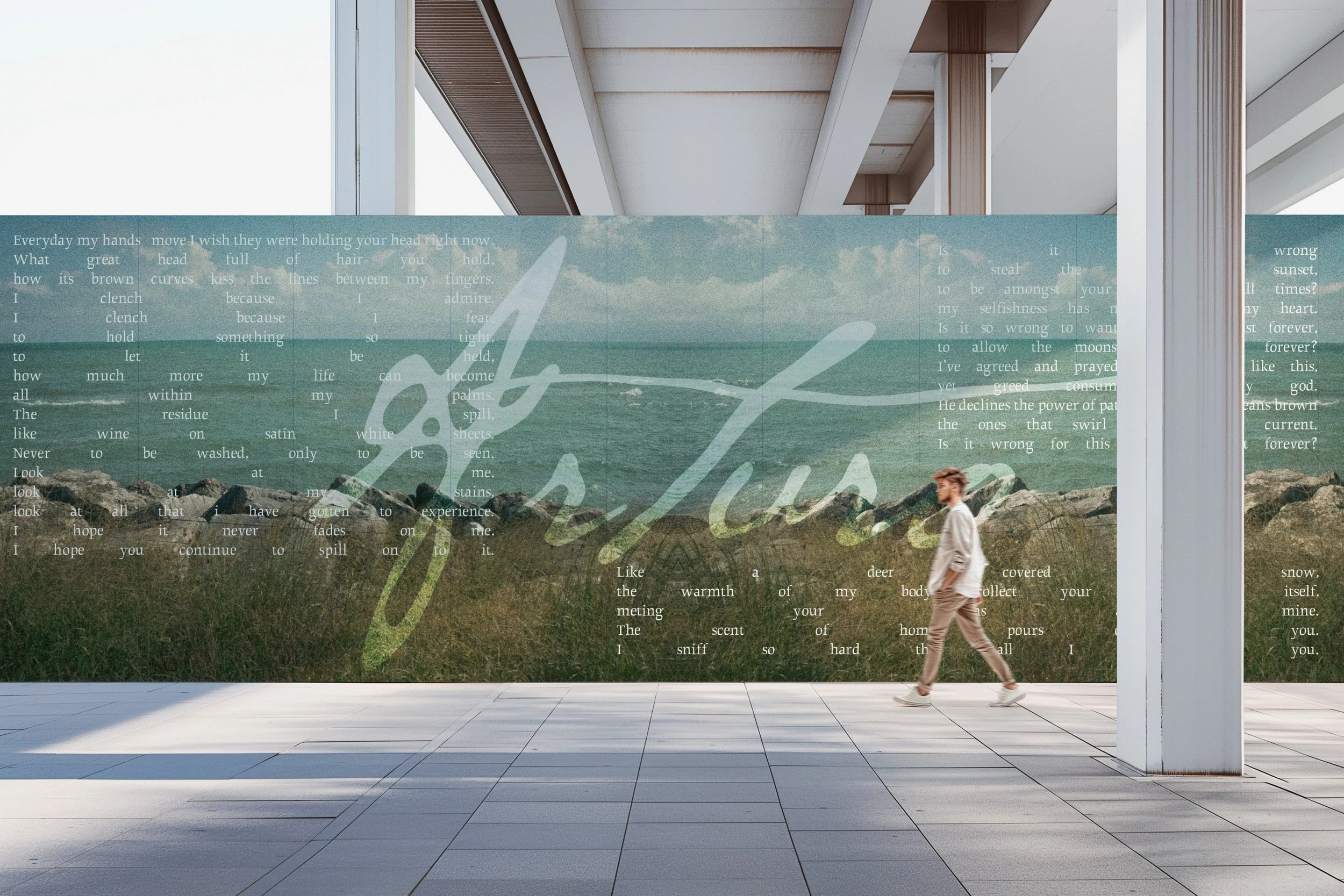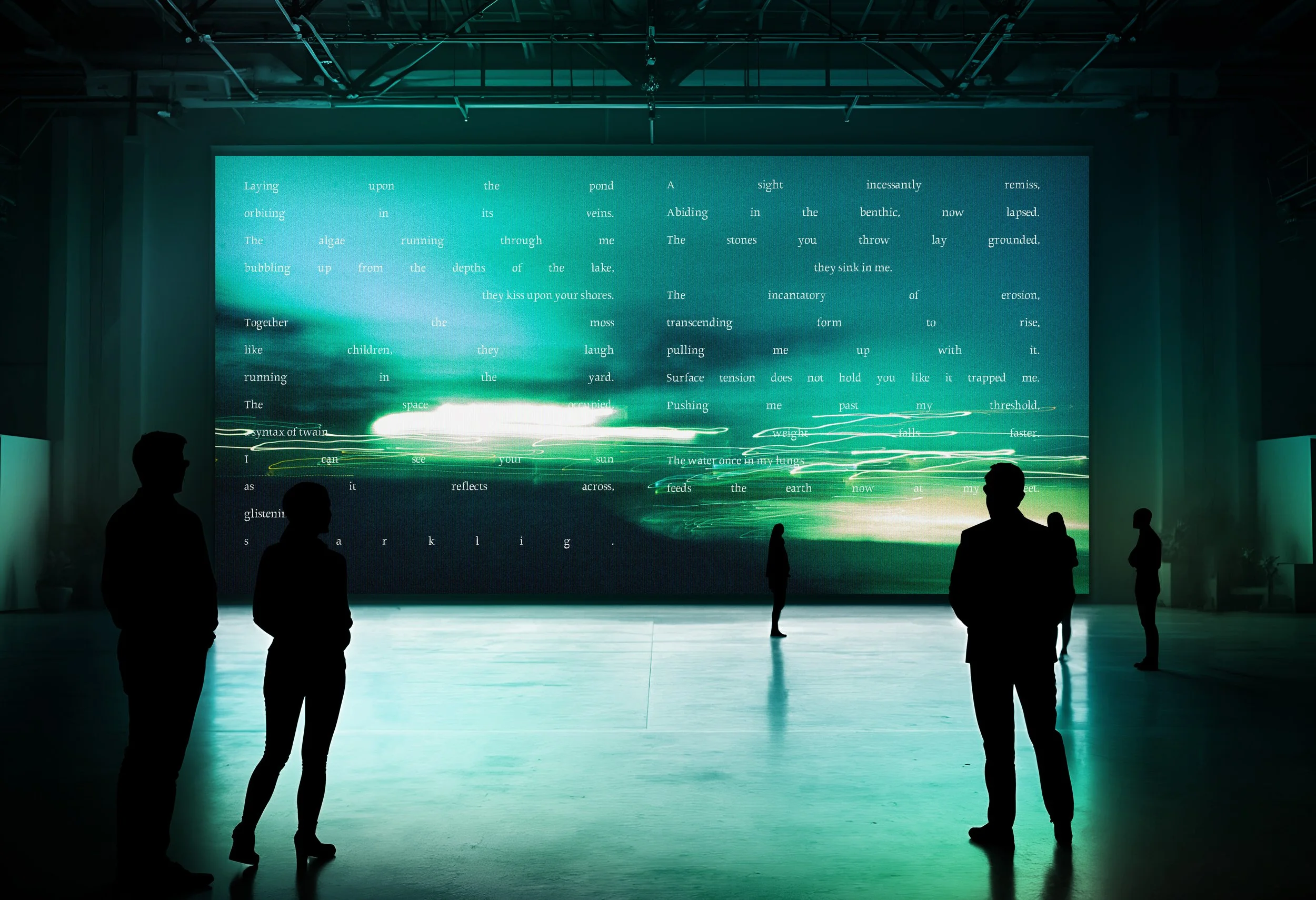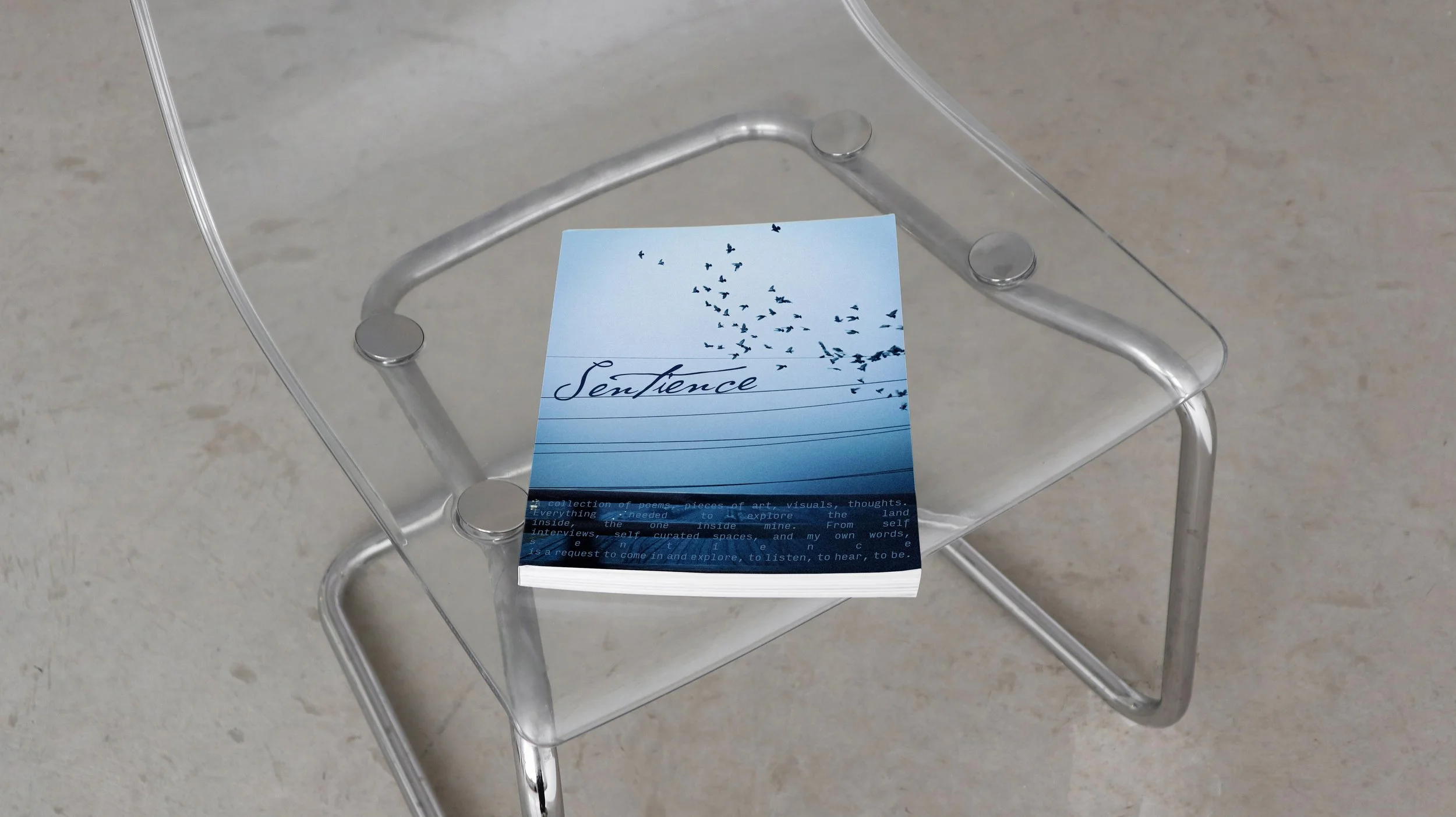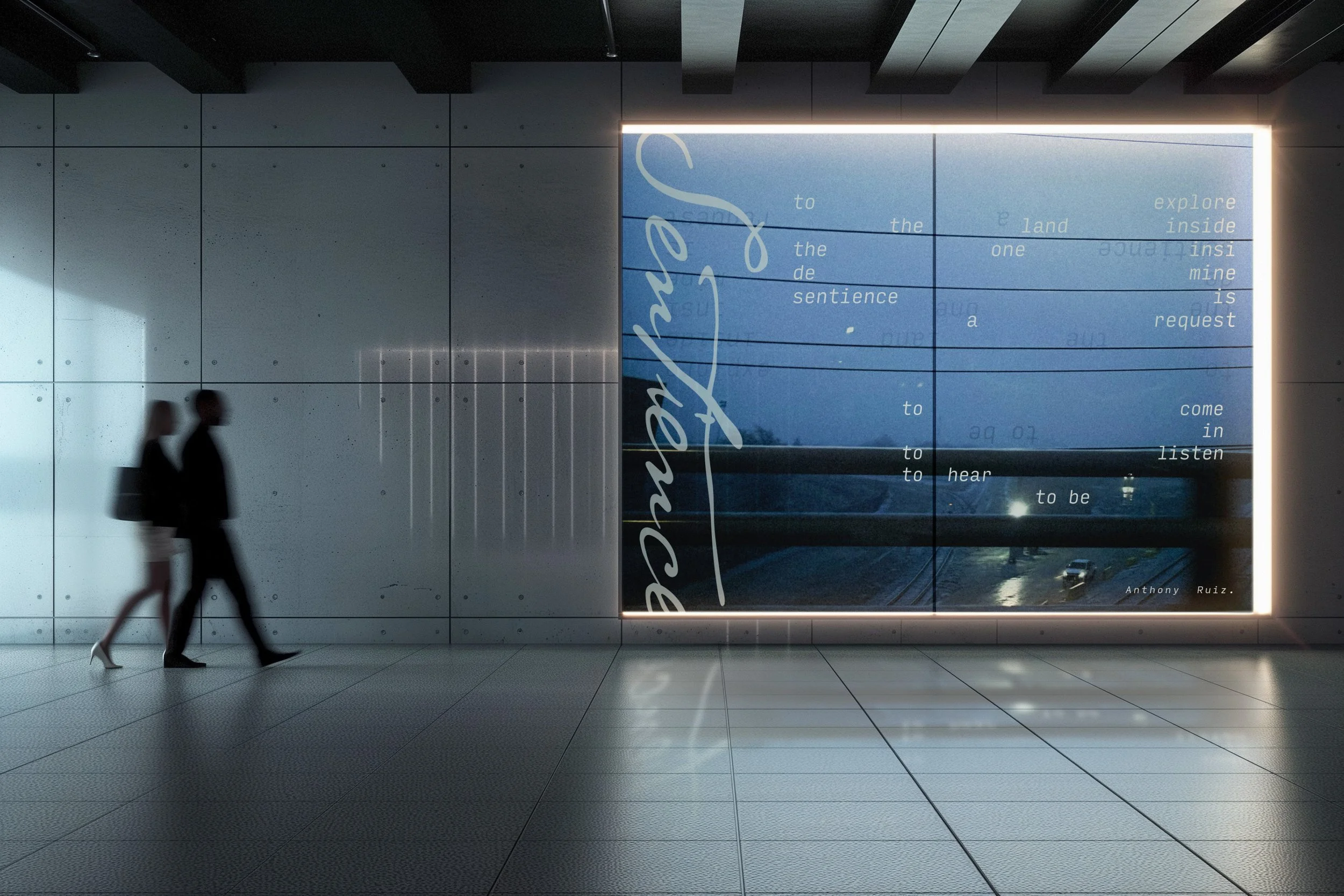
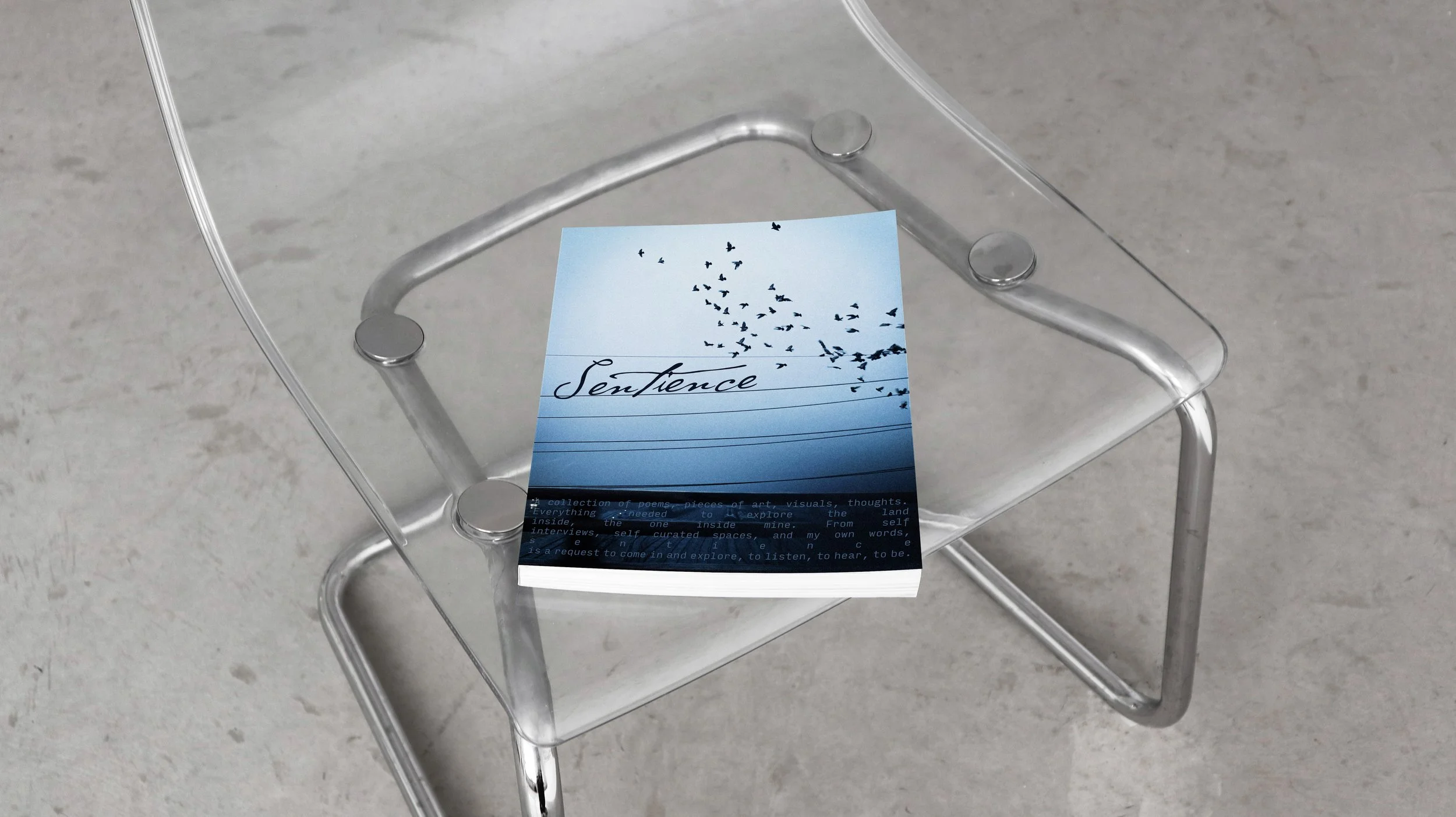
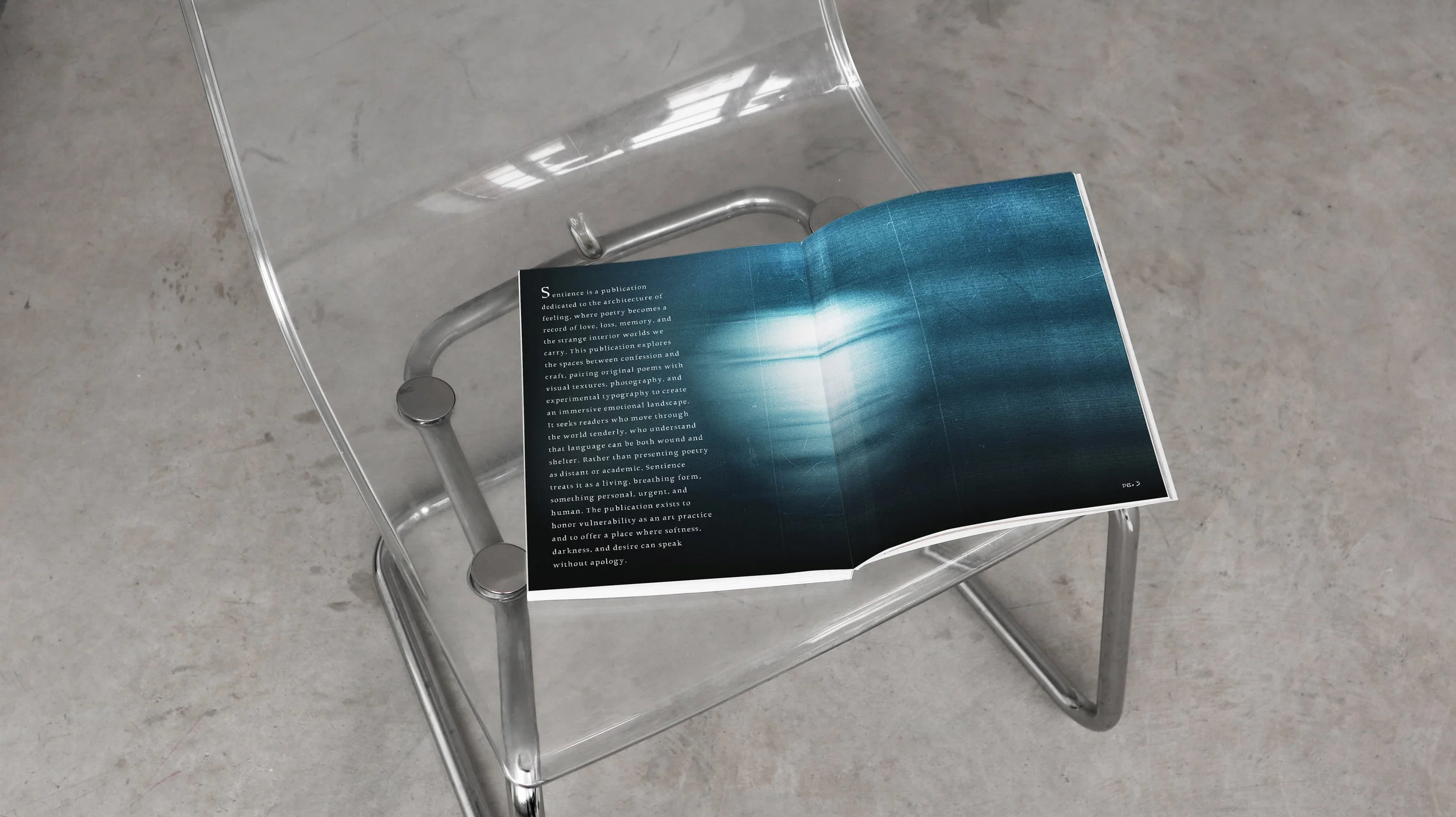
Sentience began as a personal poetry publication created to document and process experiences of love, loss, vulnerability, anxiety, memory, and emotional transformation. Through original writing, photography, experimental typography, and editorial design, the publication explores the interior worlds people carry within themselves and treats poetry not as something distant or academic, but as a living and deeply human form of expression. Expanding beyond the publication itself, the project evolved into a conceptual exhibition experience that reimagines how poetry can physically exist within space. Through immersive signage, environmental graphics, spatial typography, and atmospheric visual systems, Sentience transforms personal writing into an emotional environment that invites viewers to move through
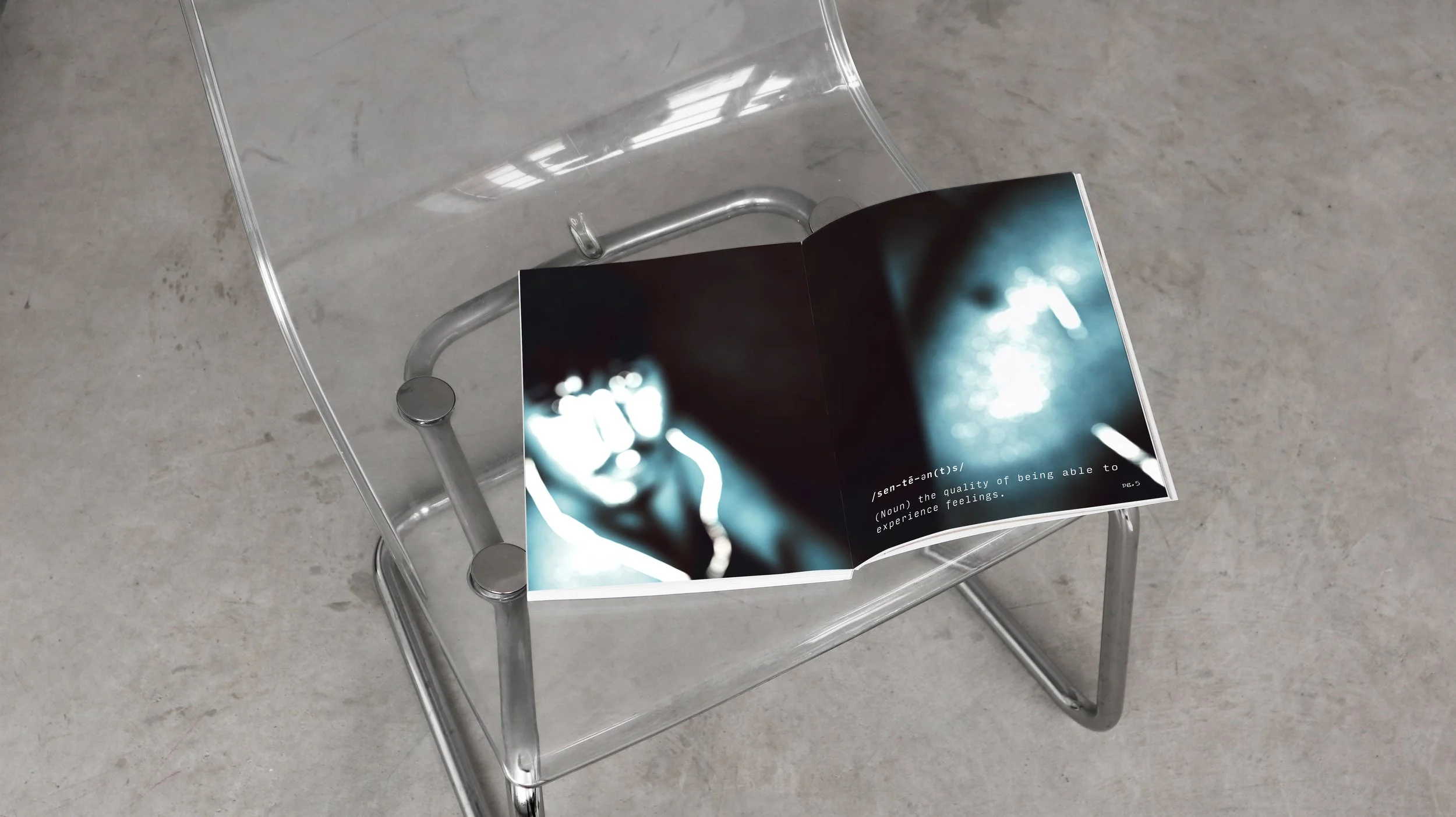
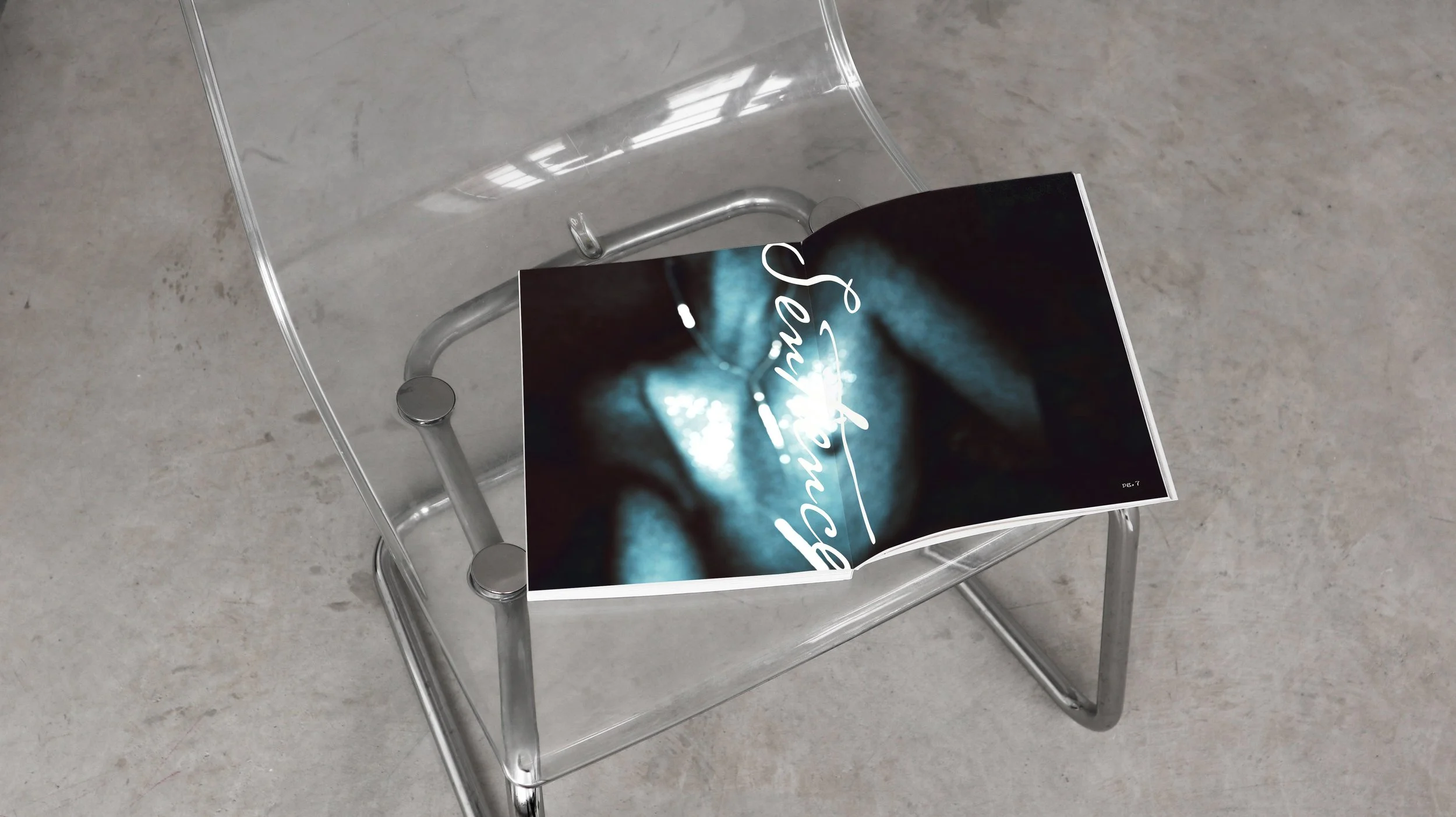
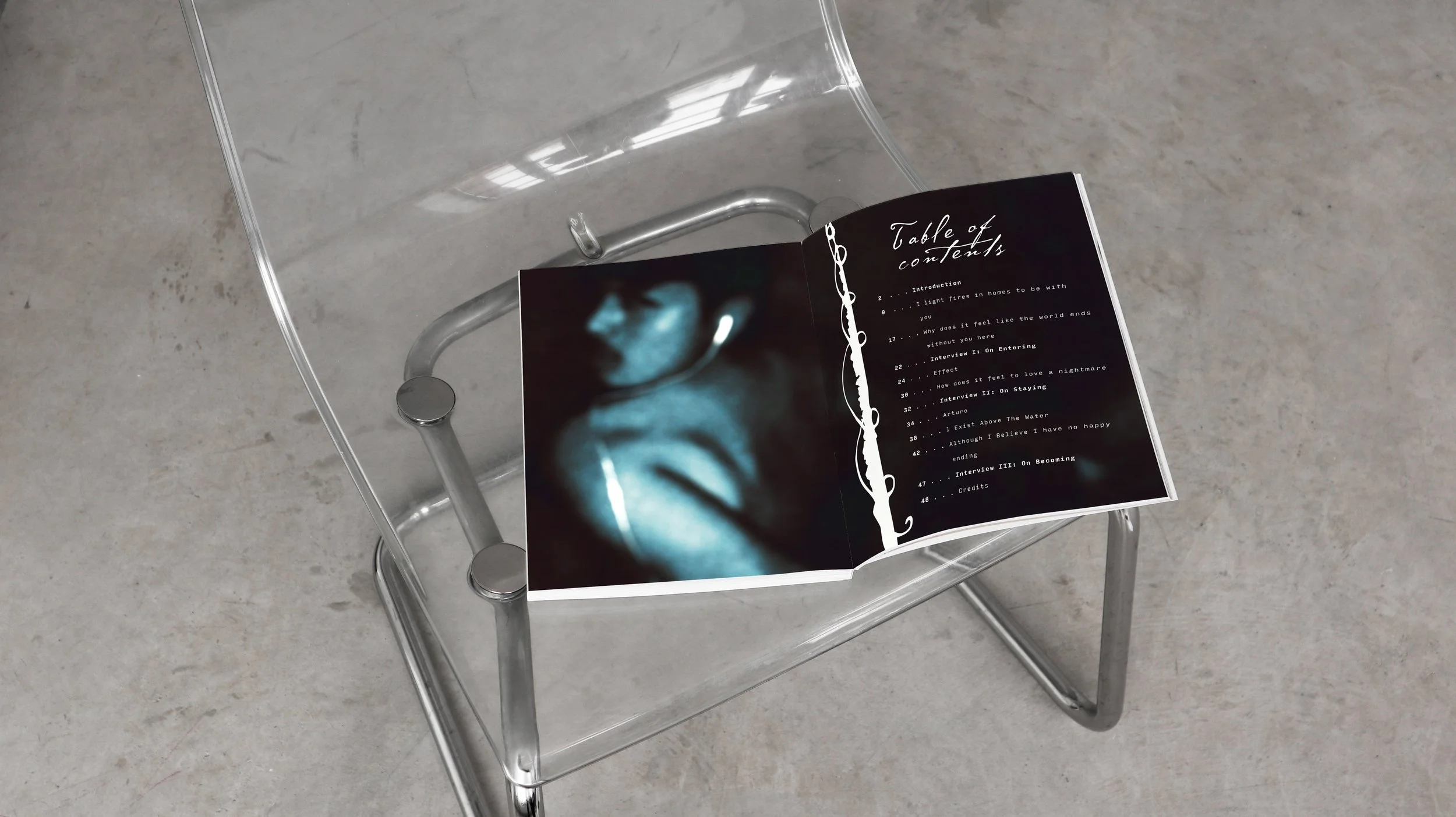
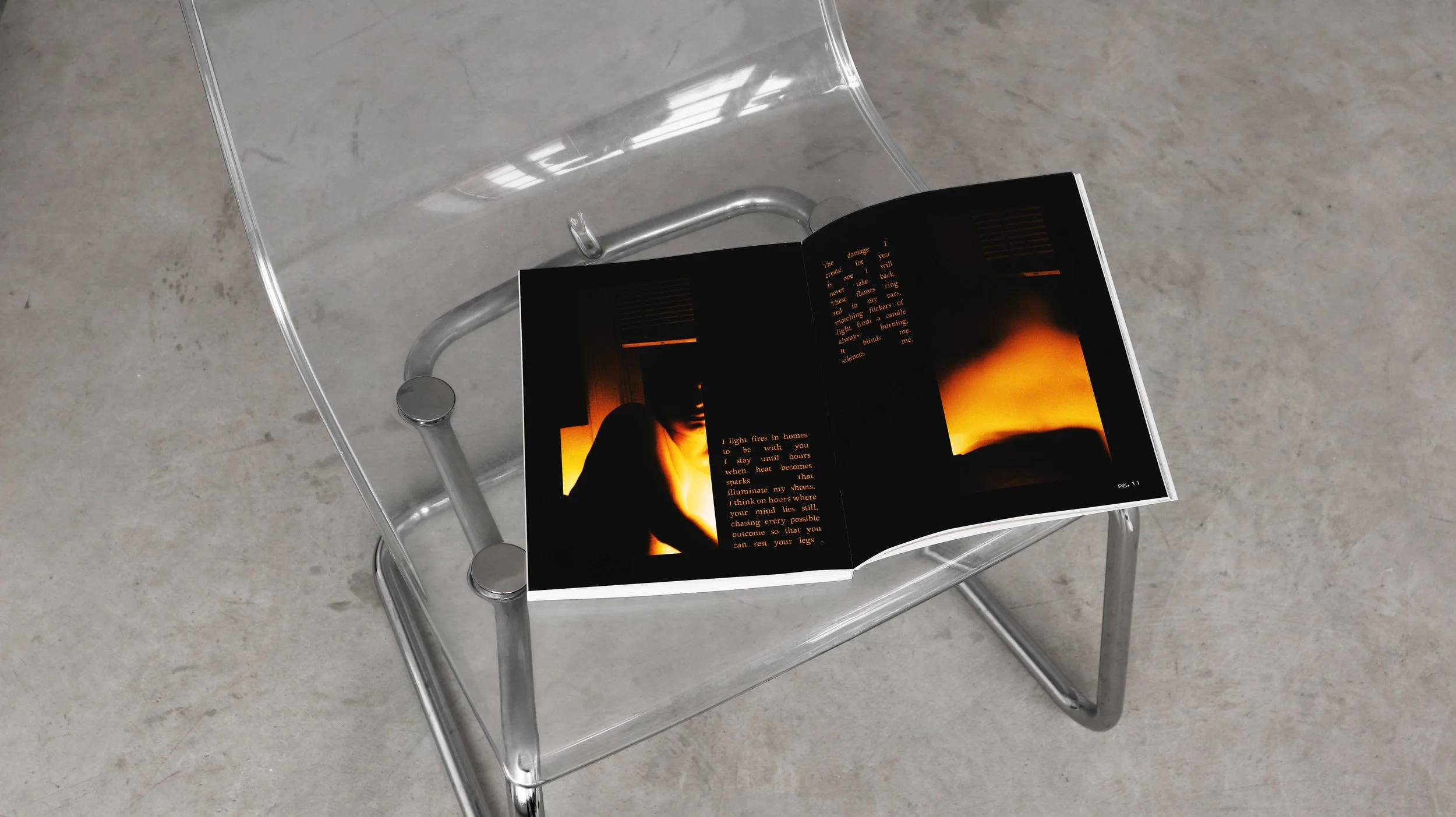
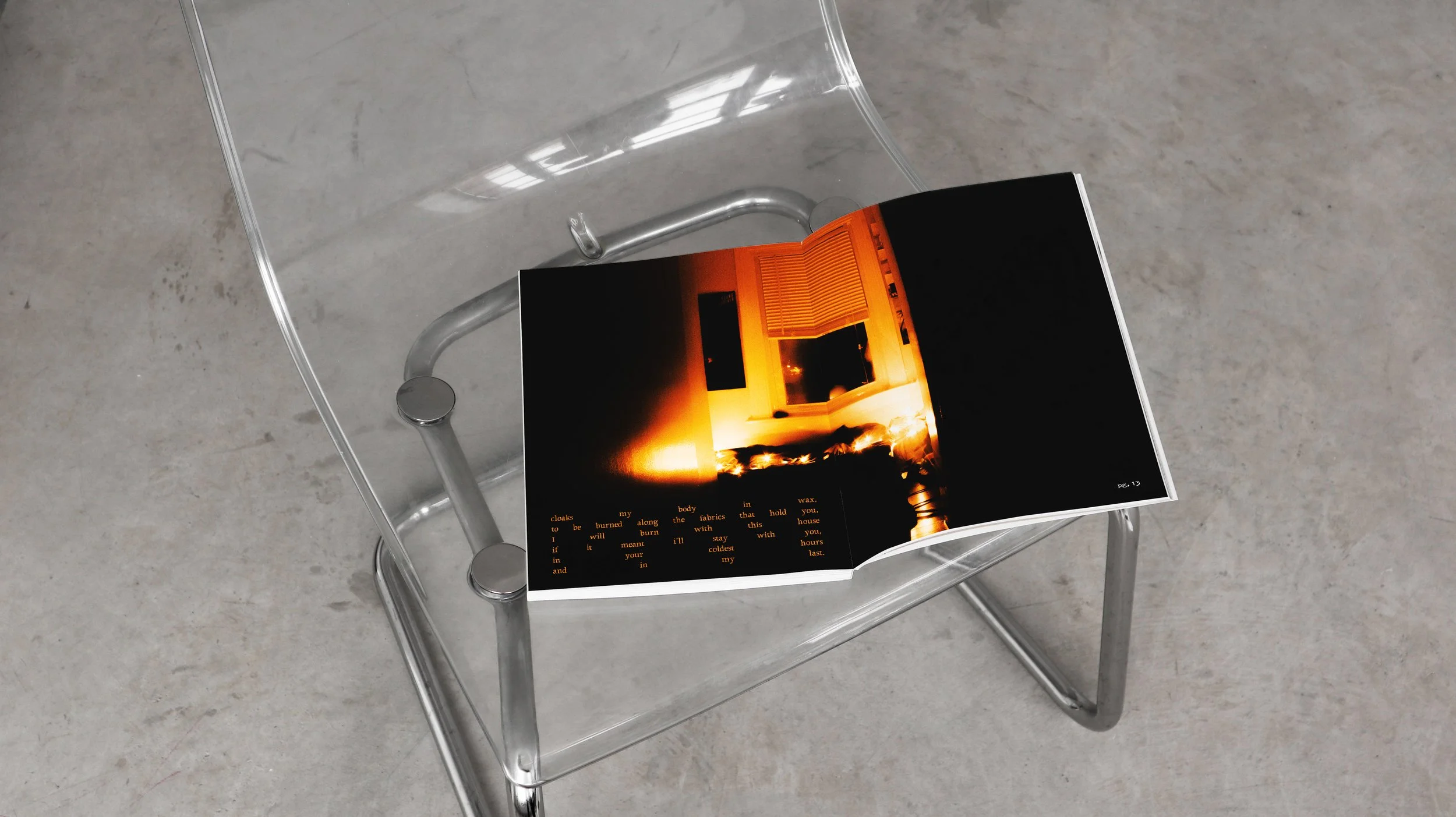
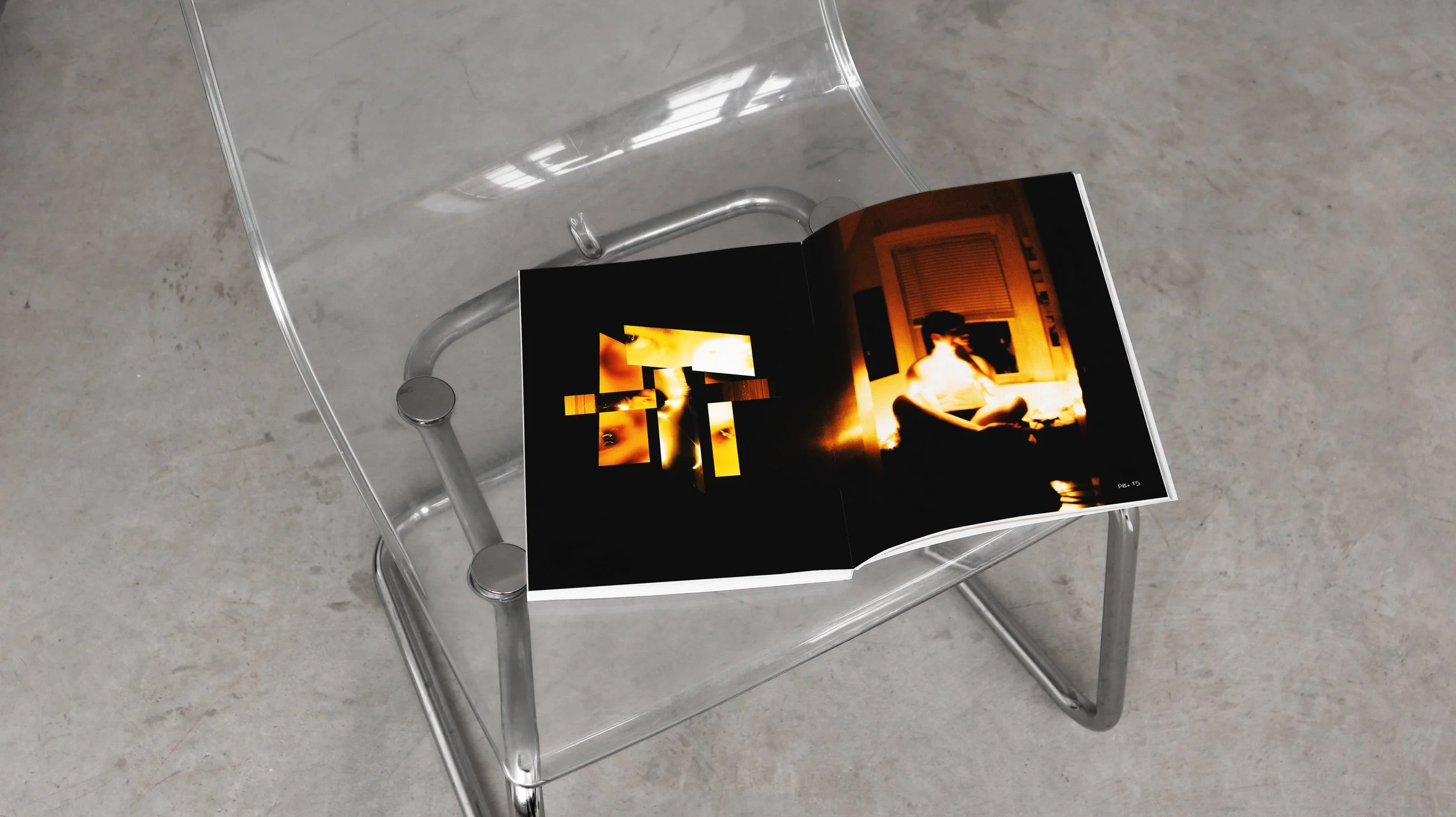
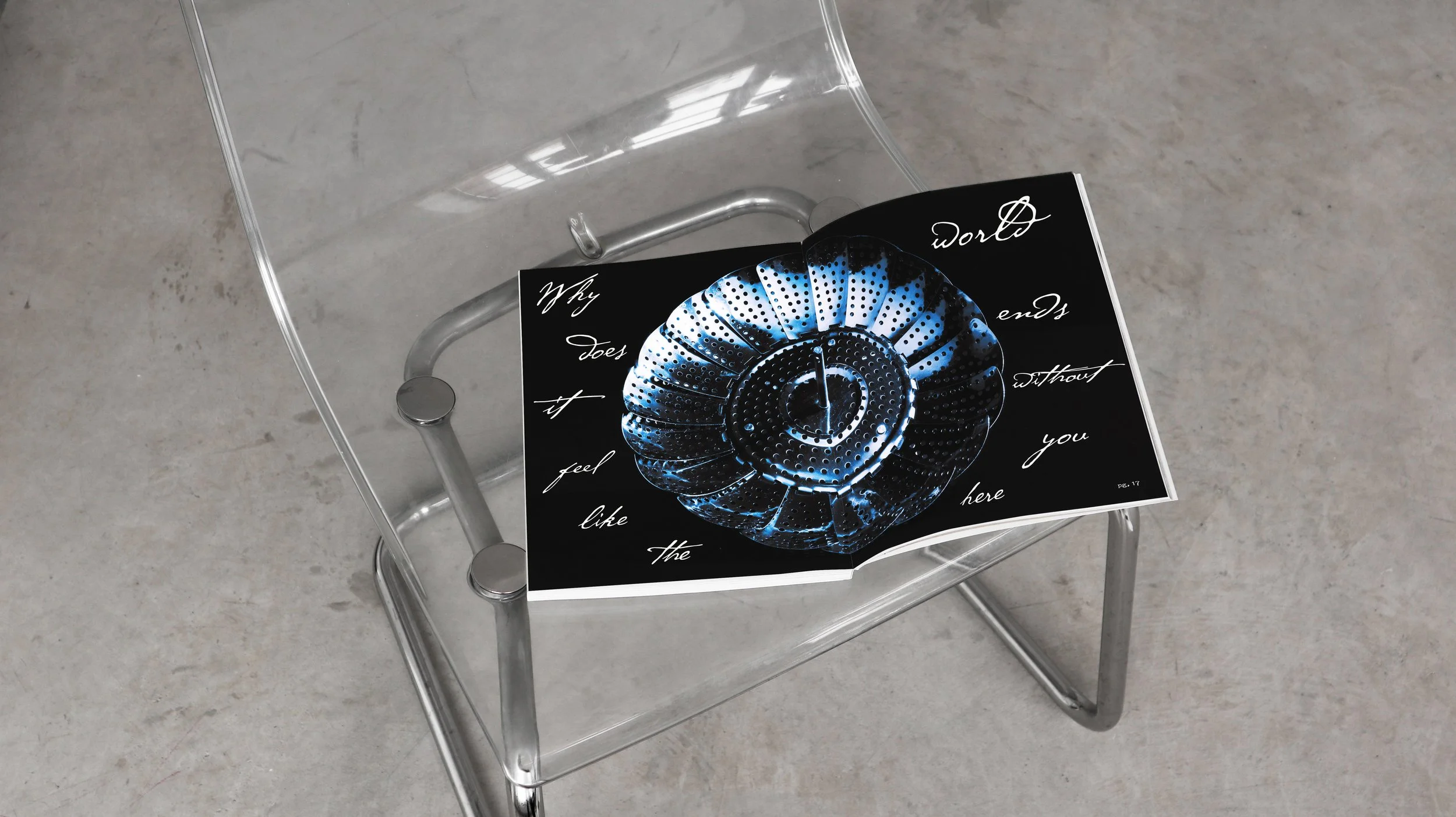
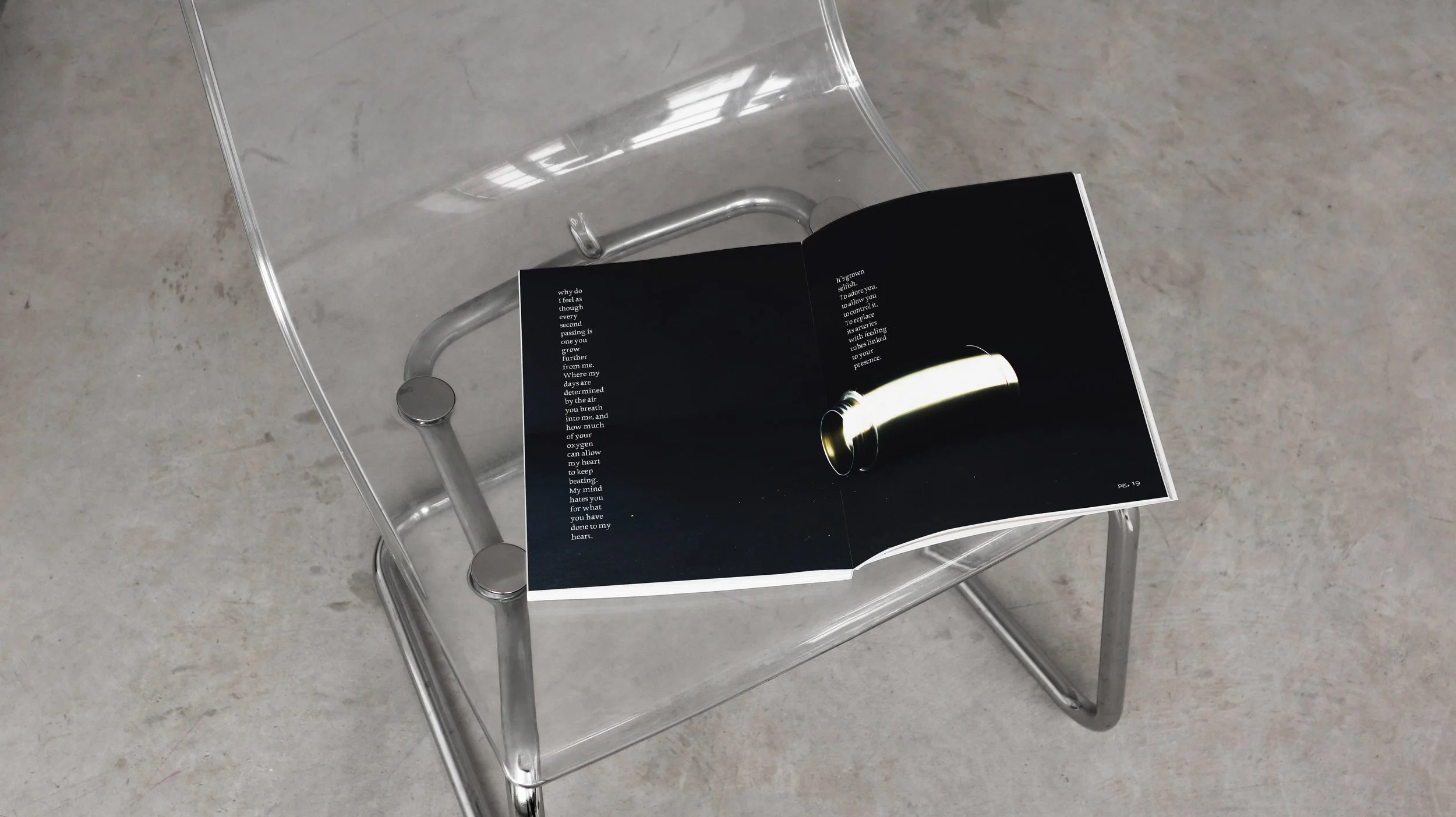
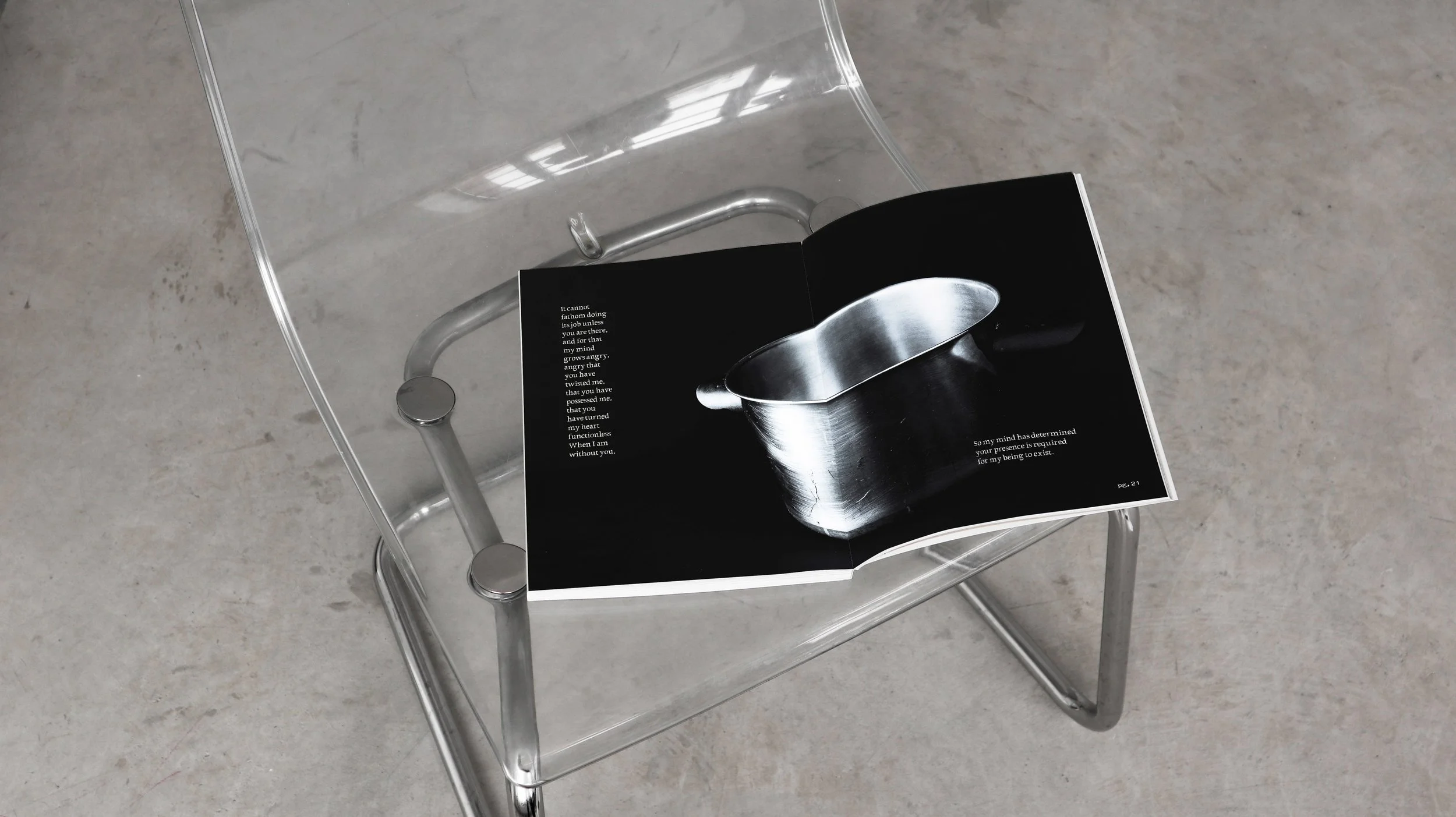
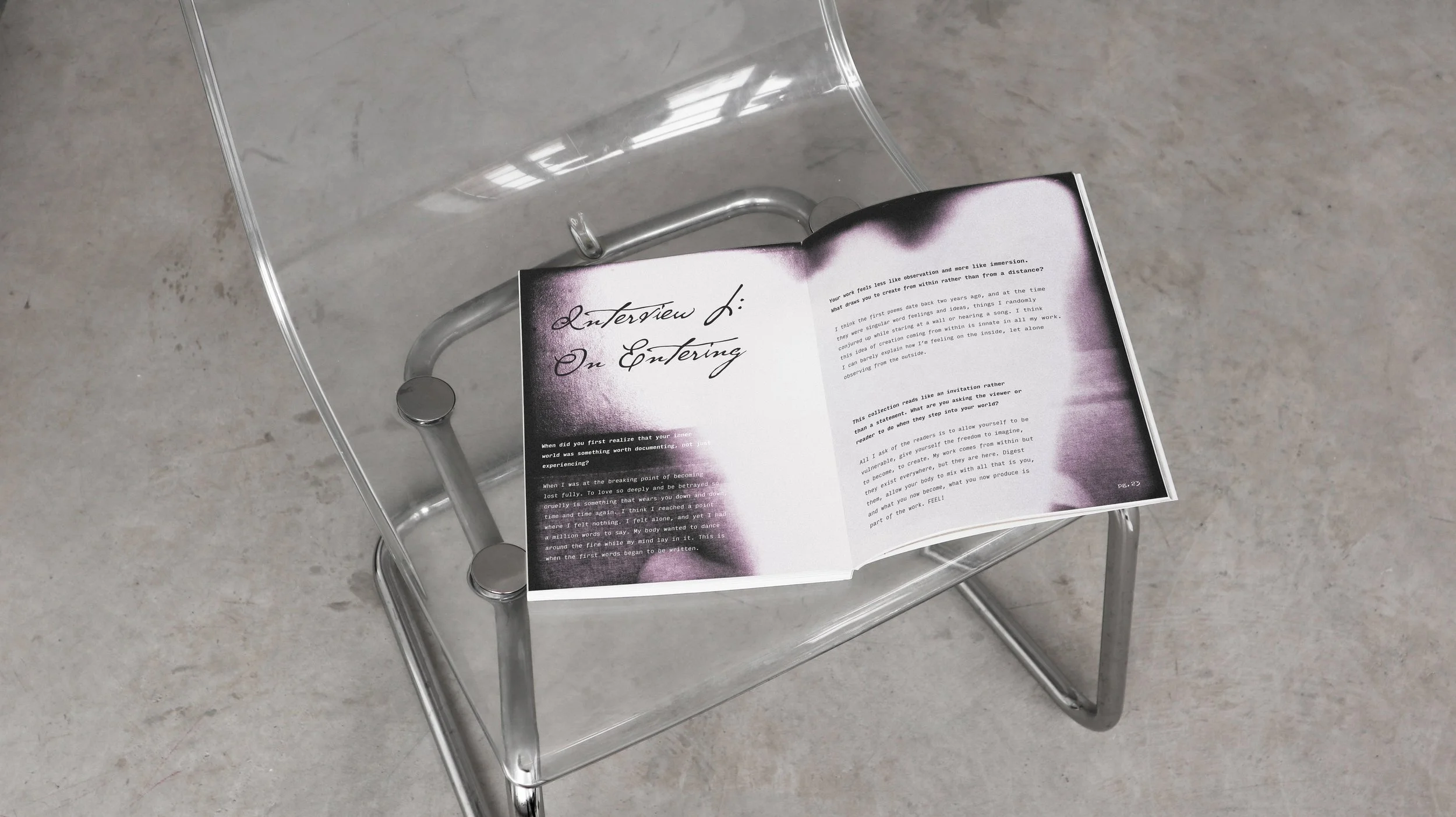
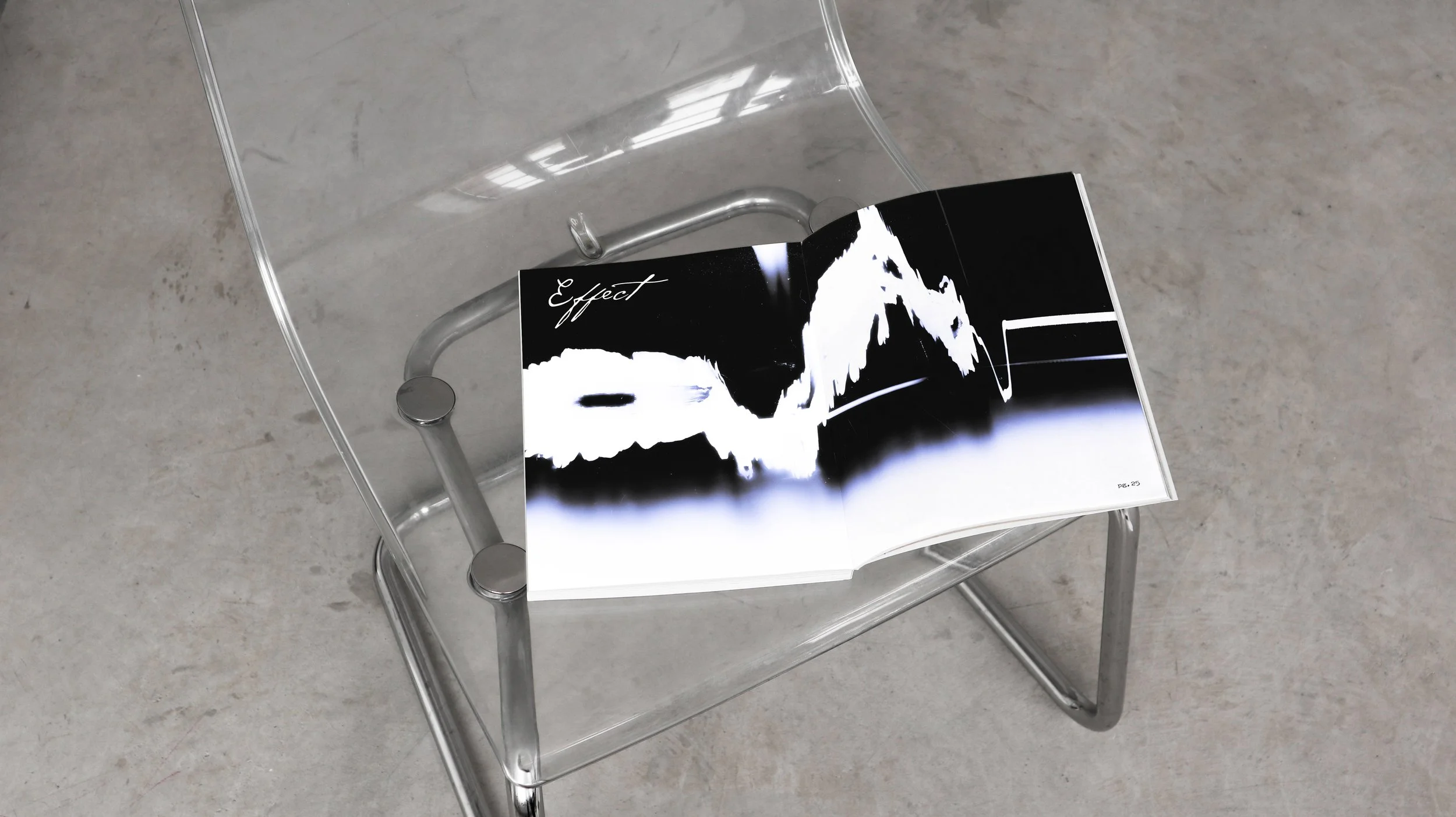
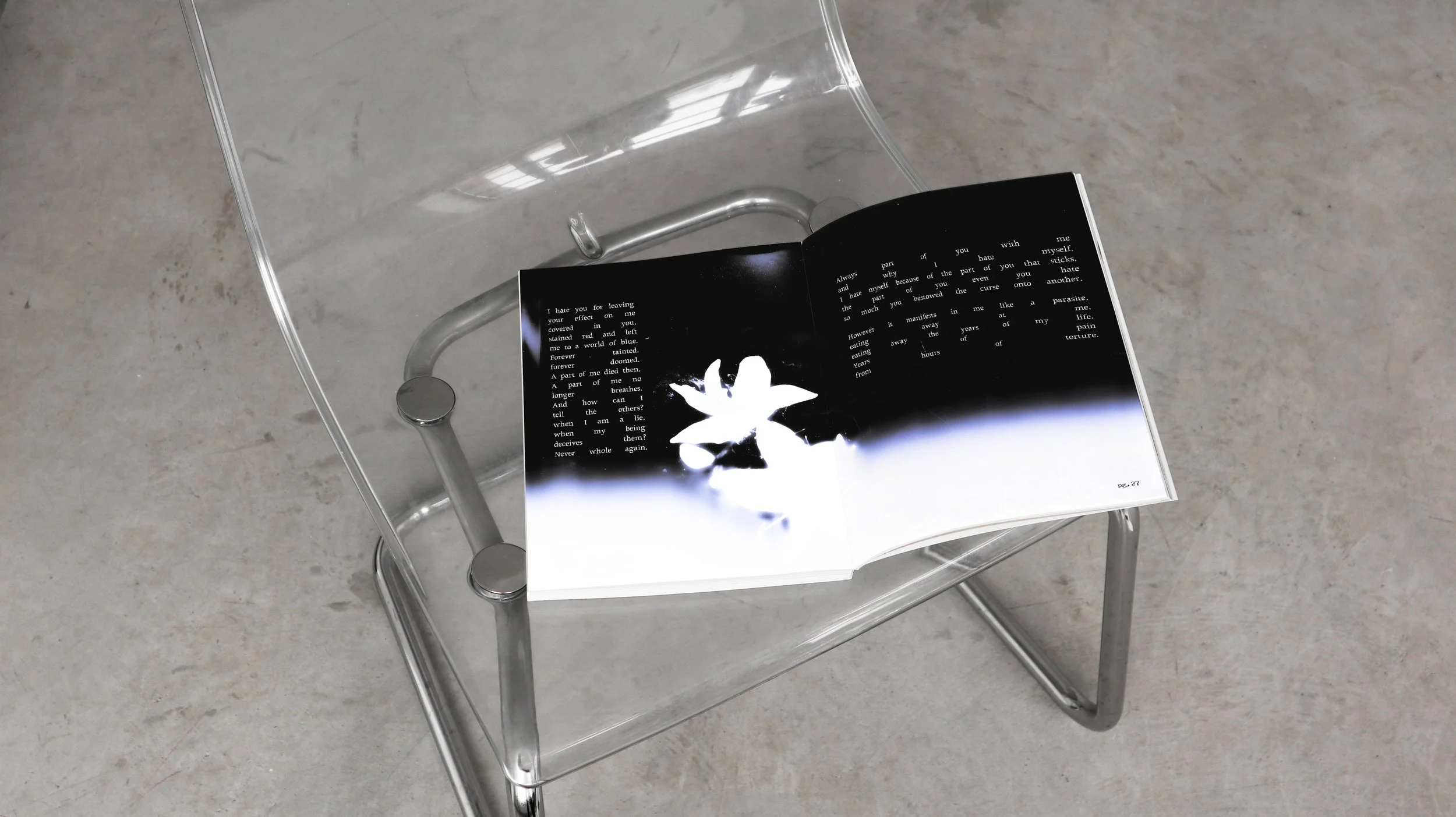
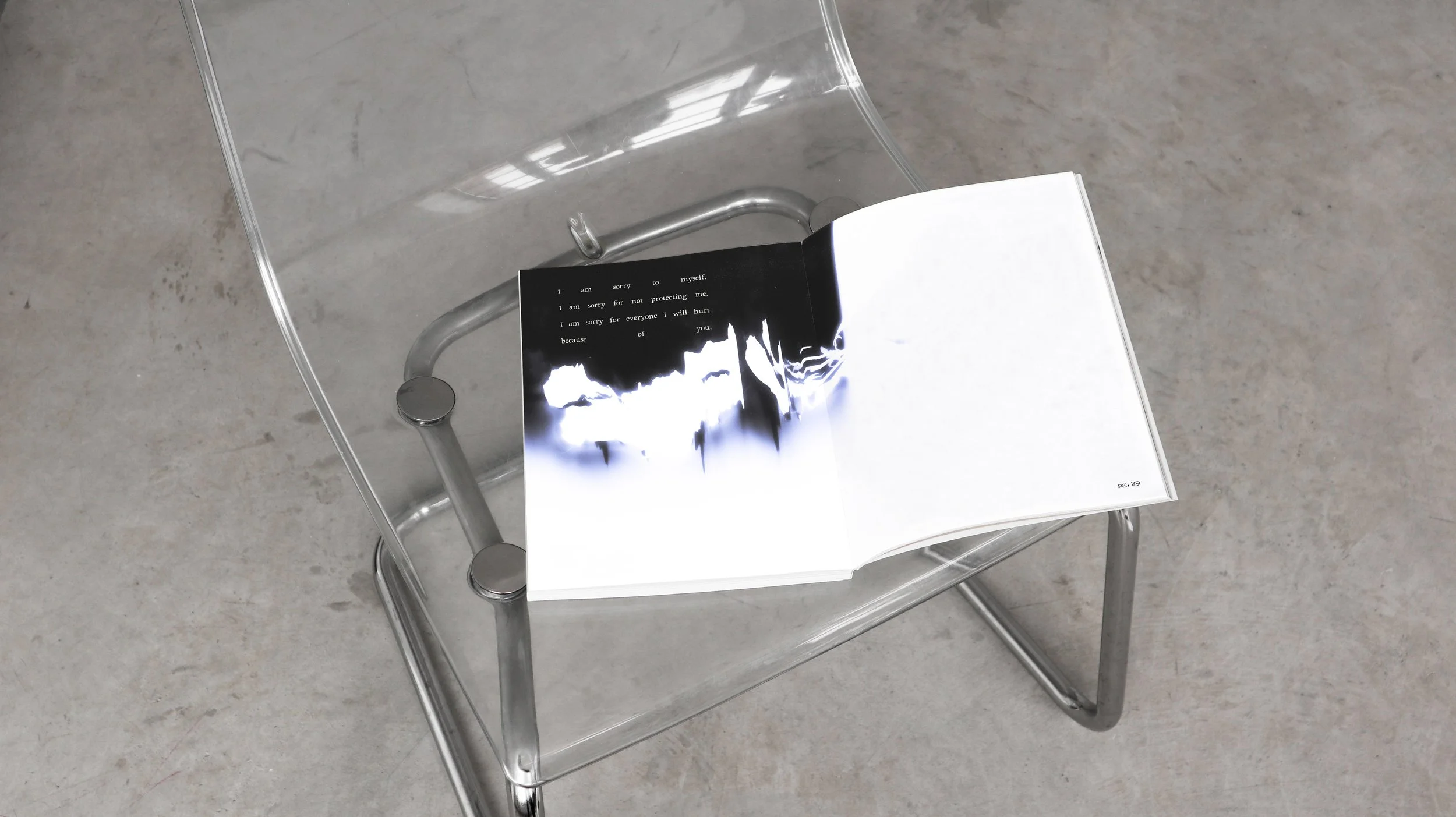
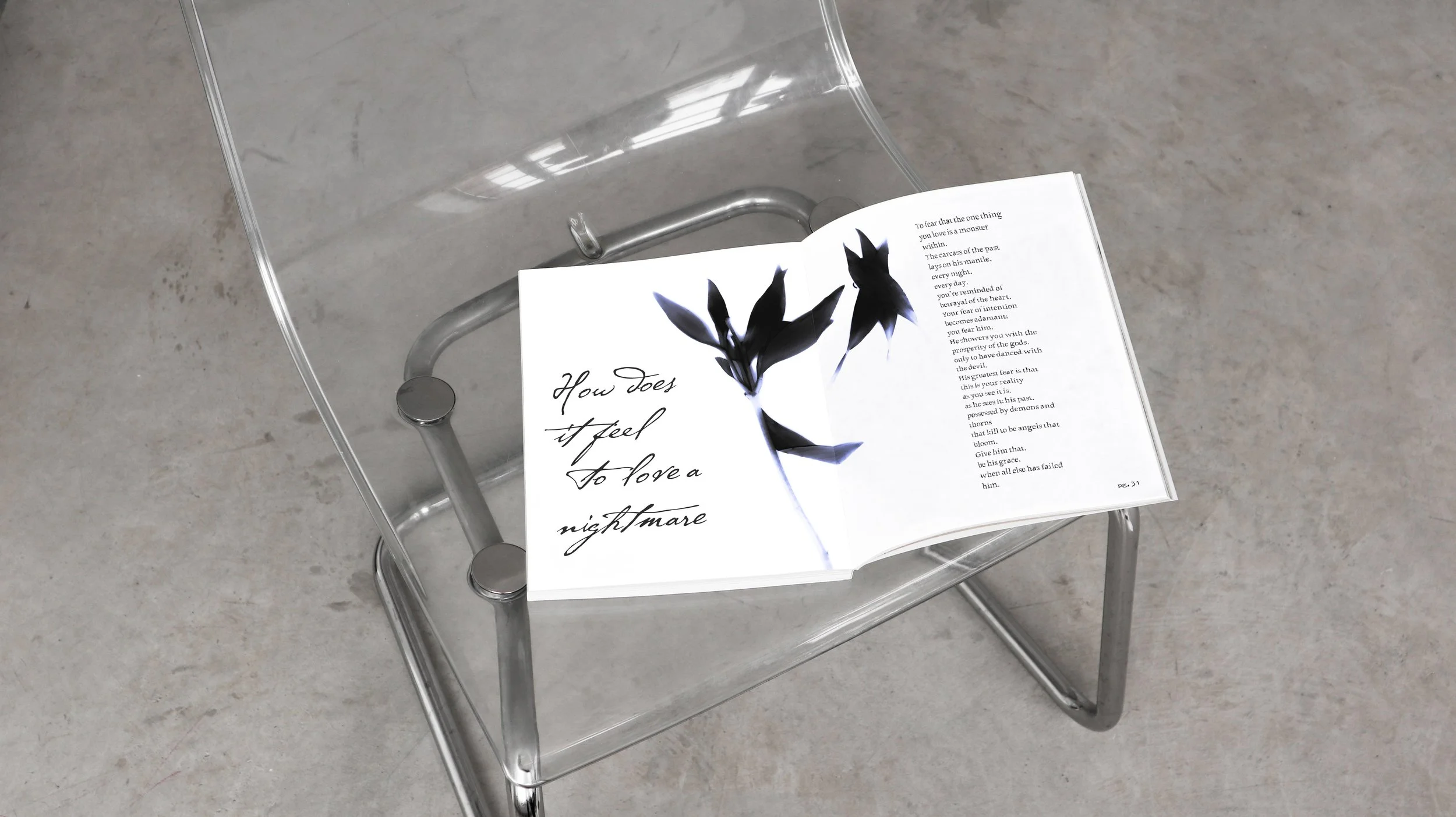
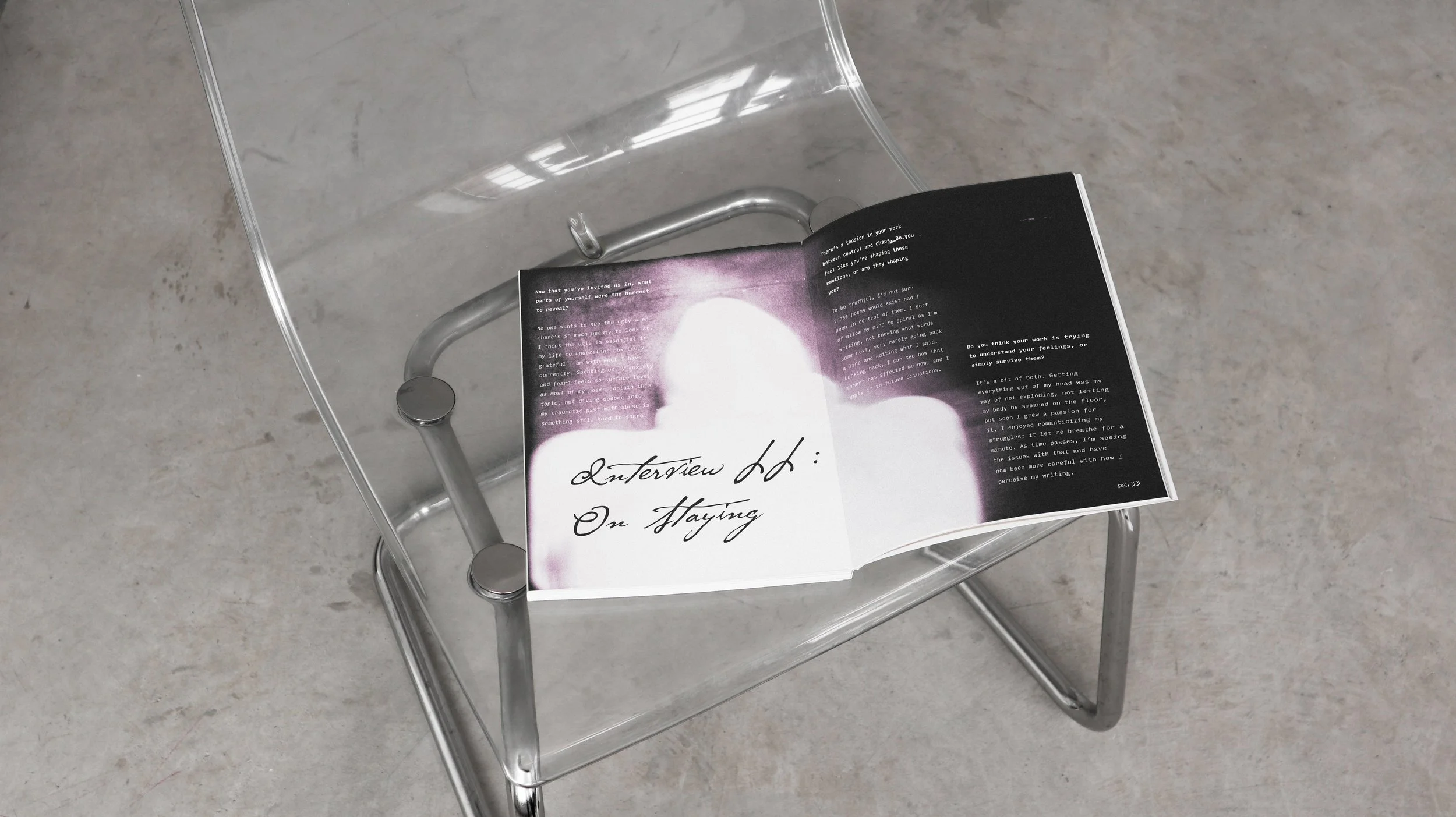
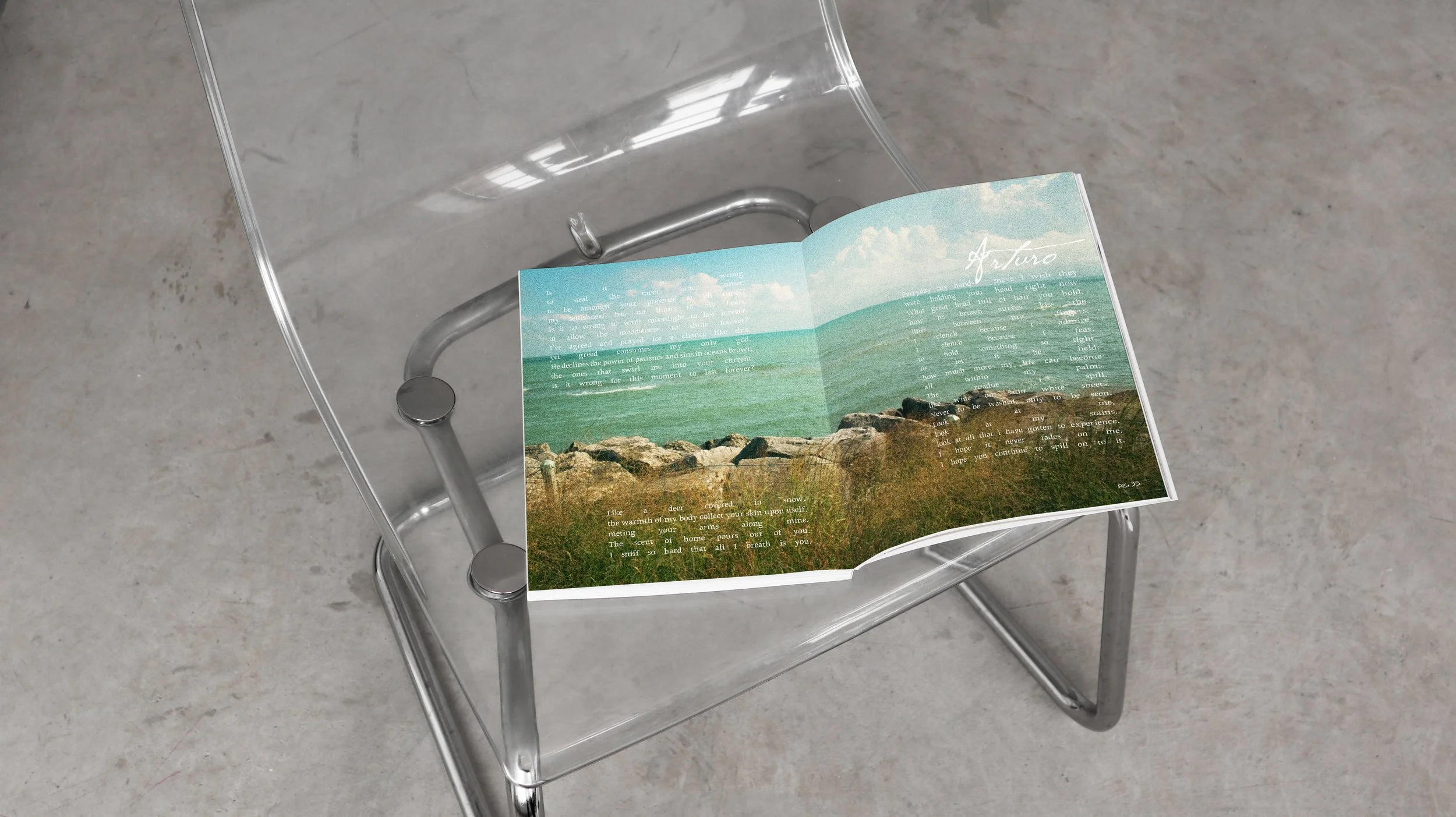
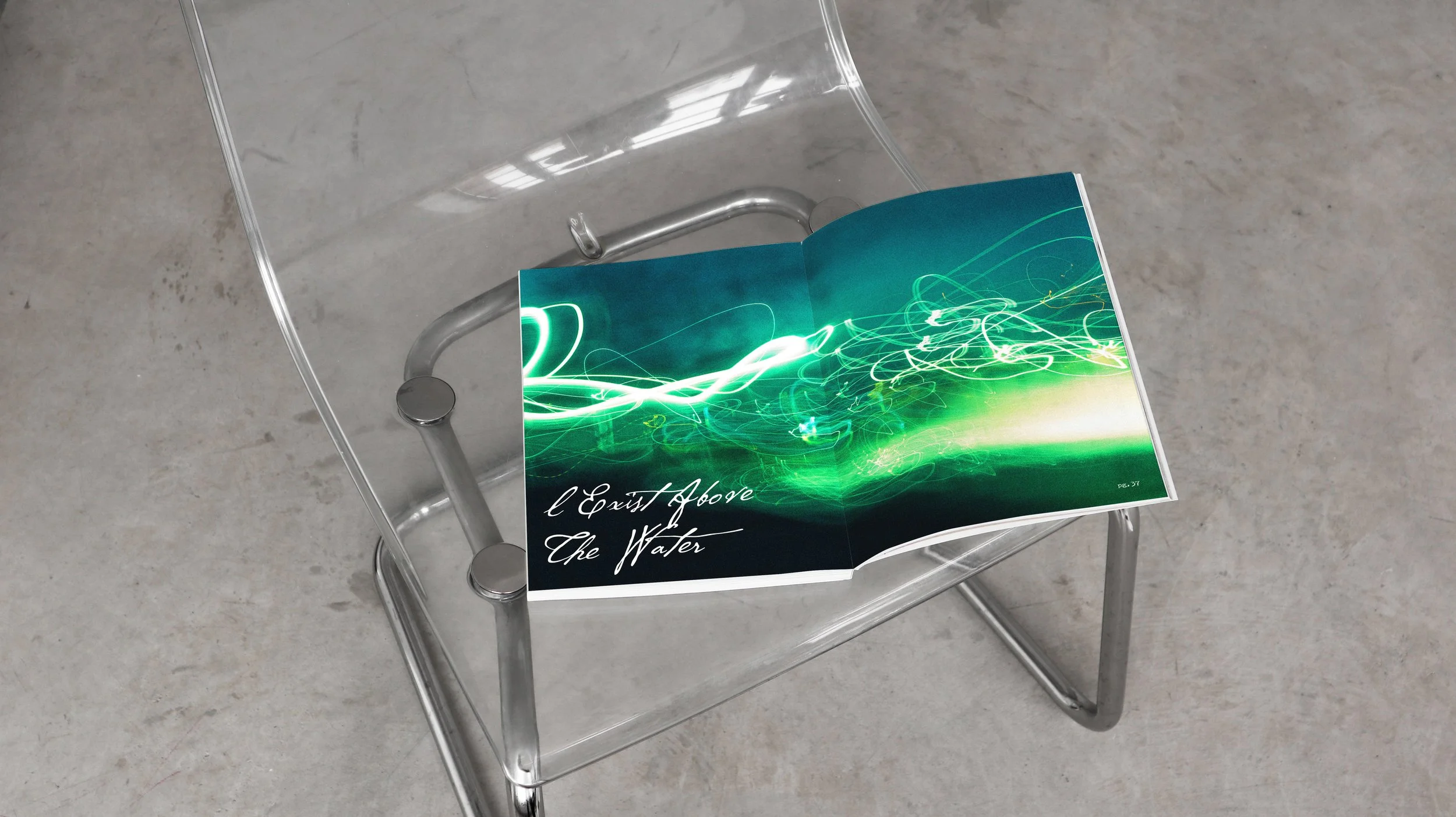
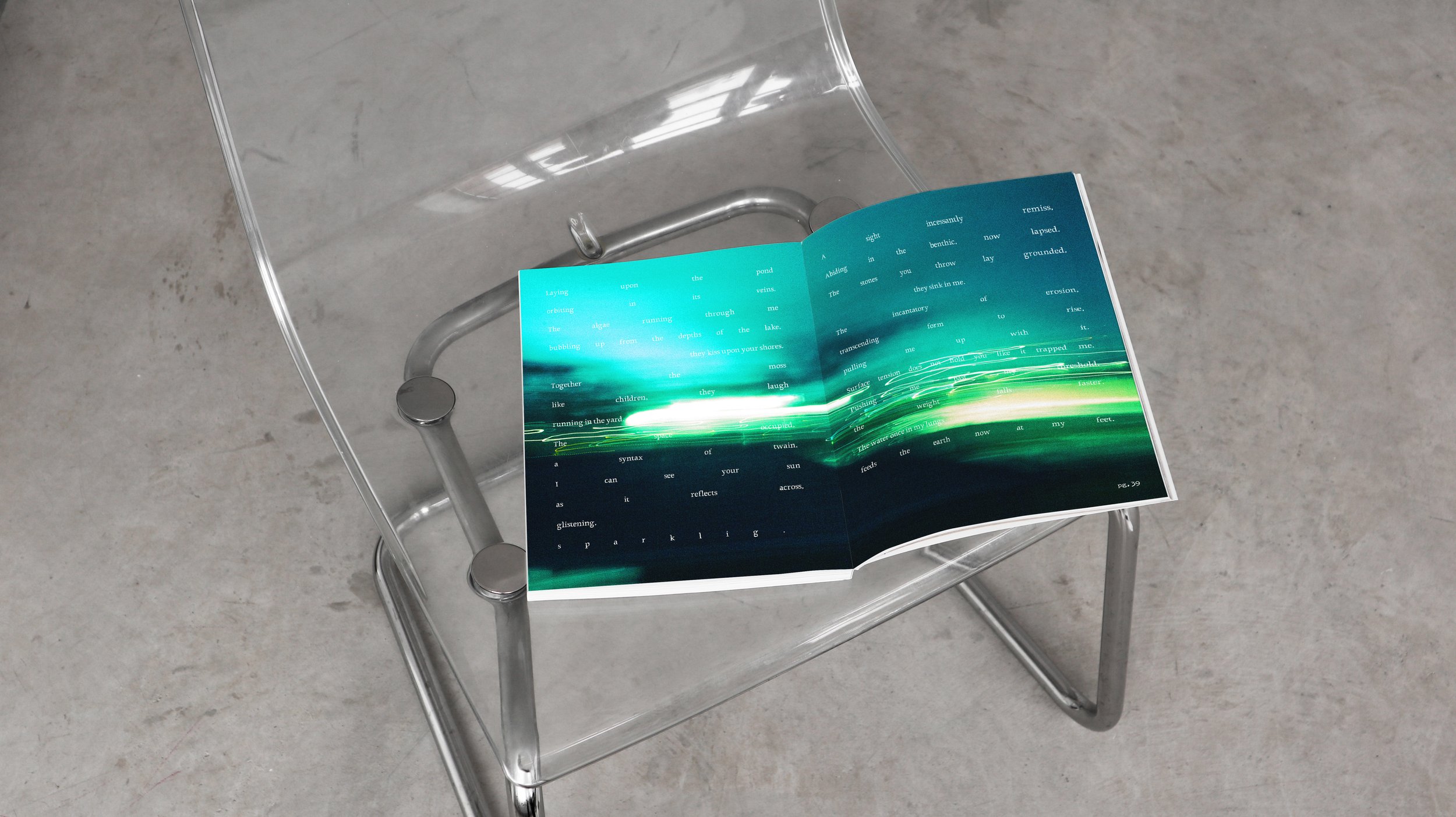
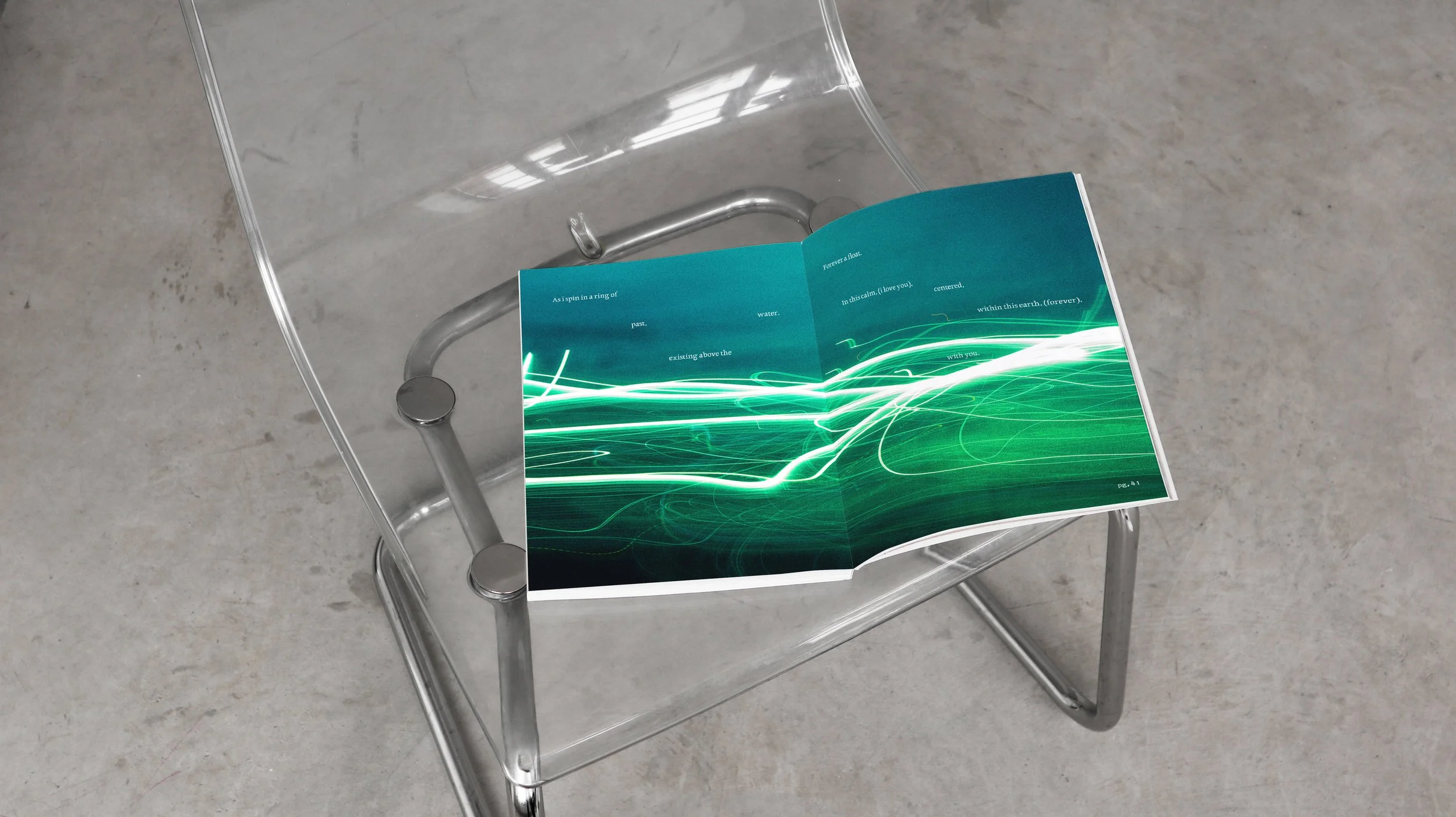
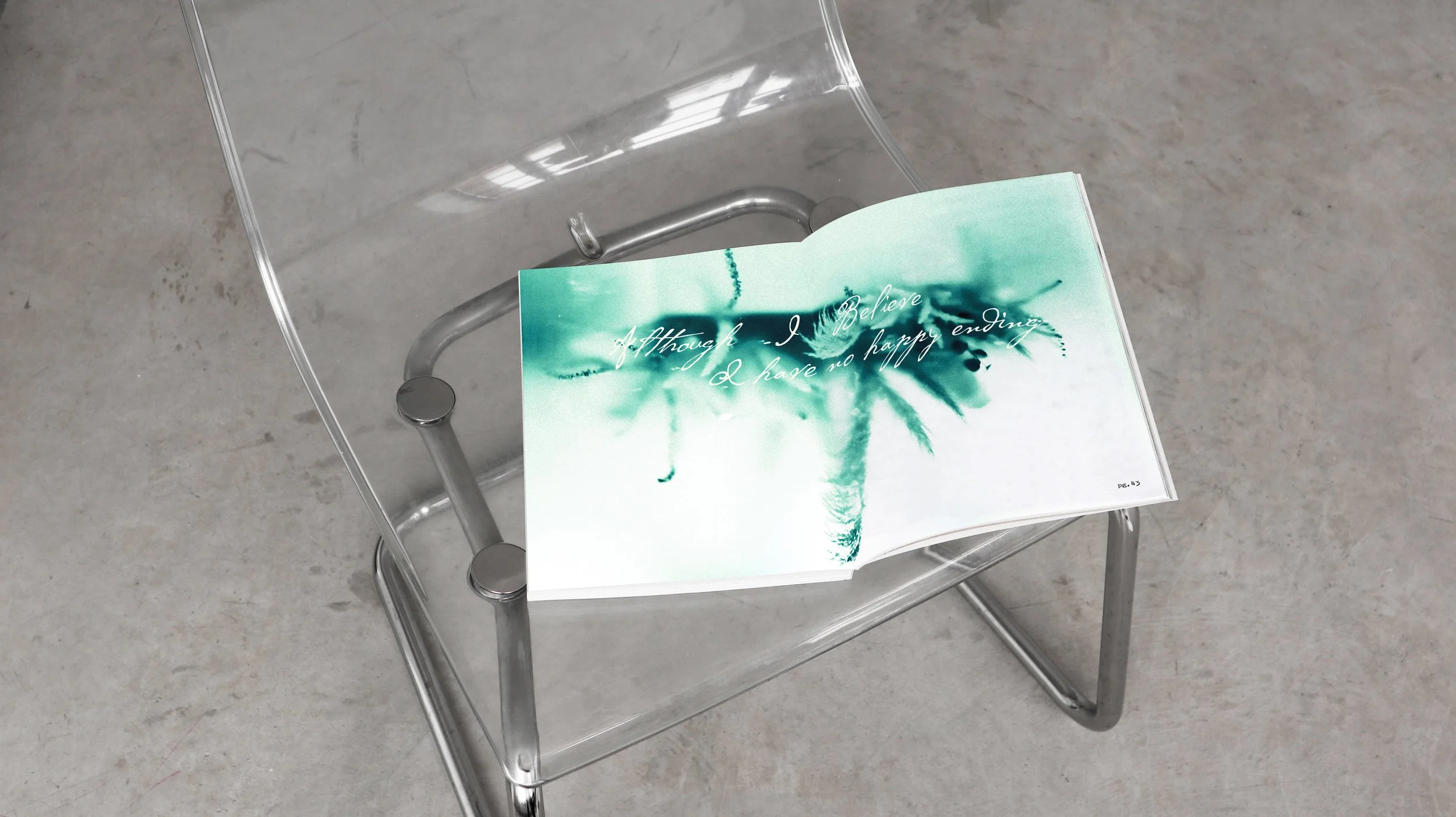
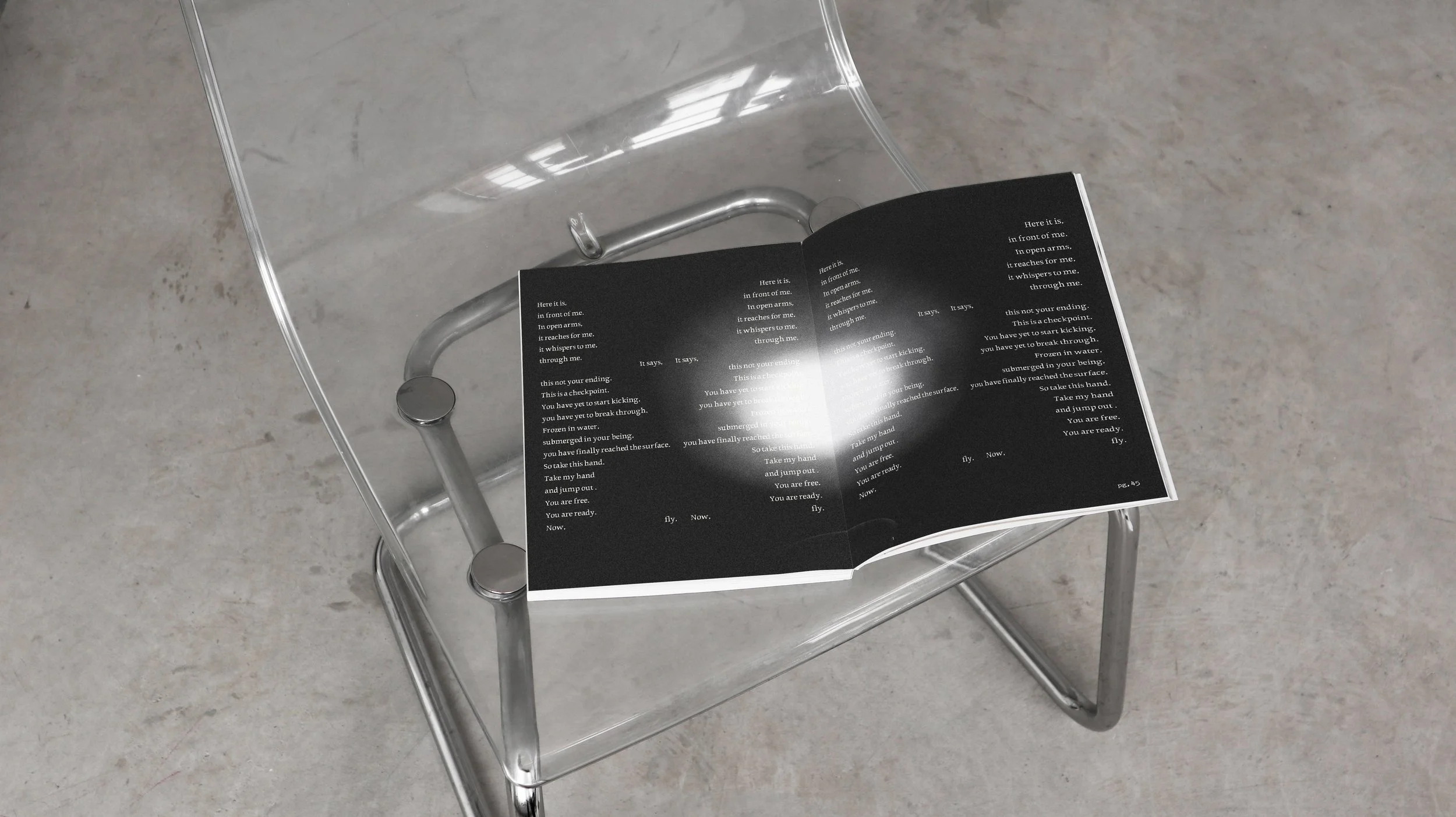
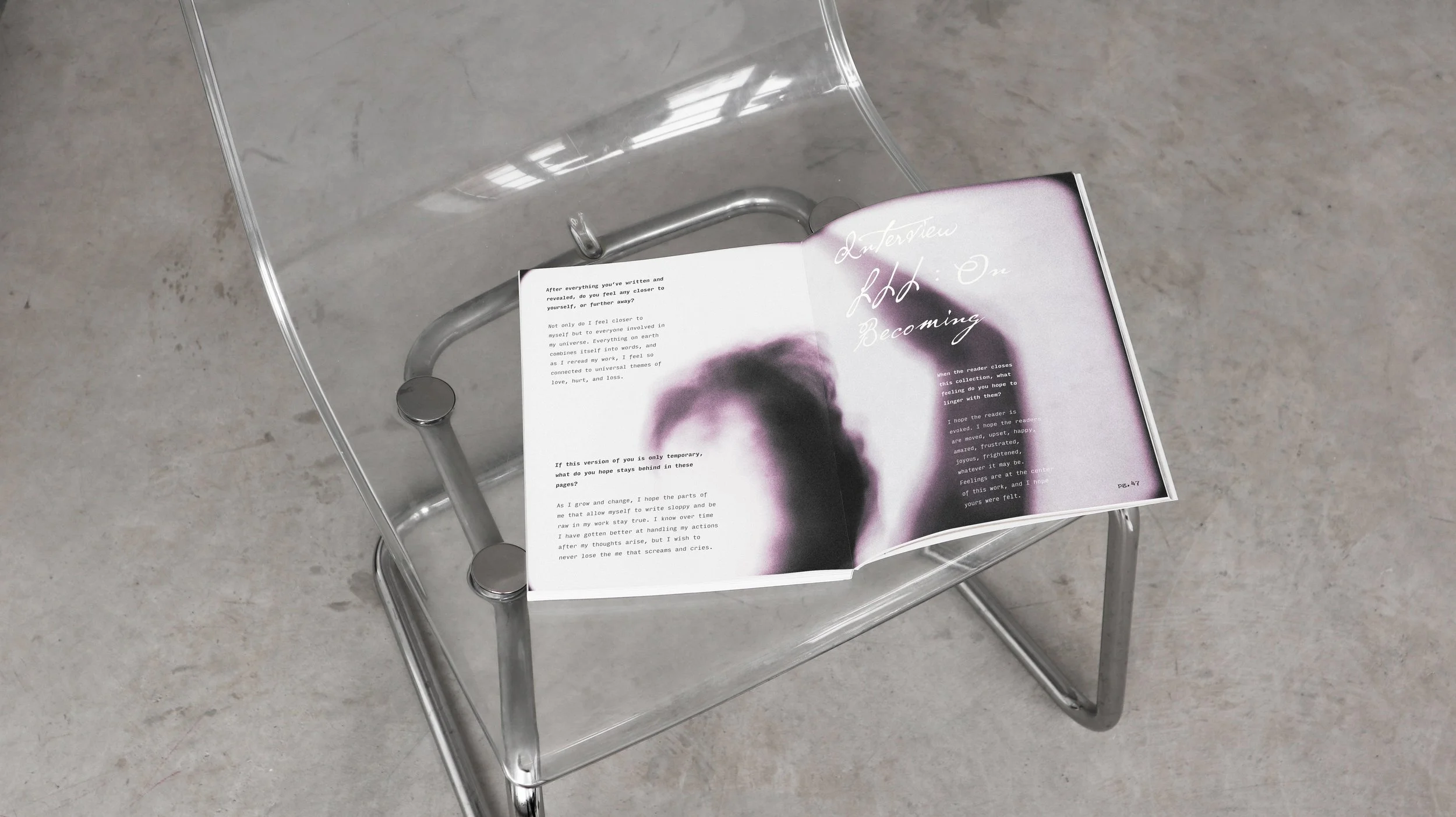
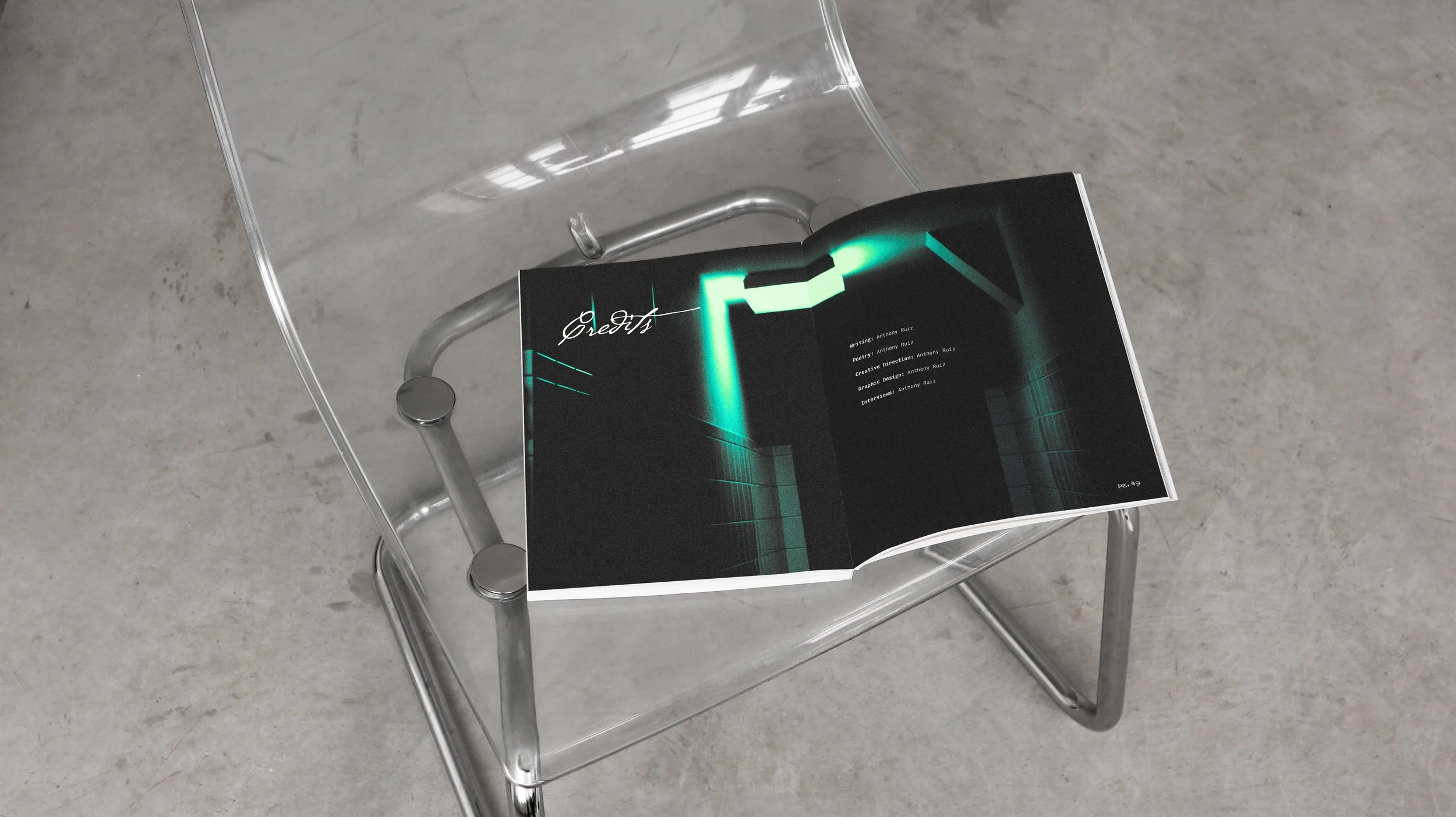
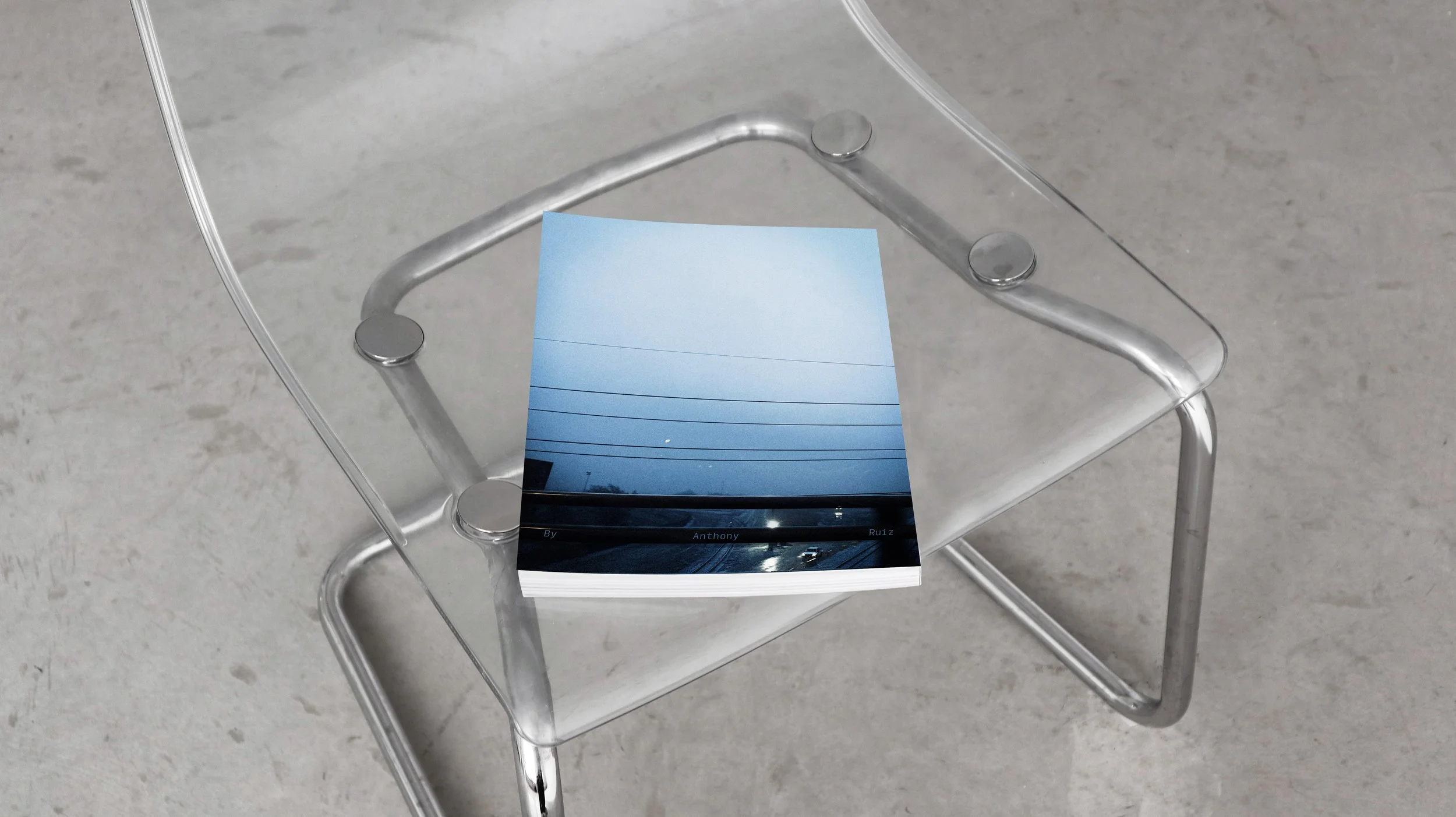
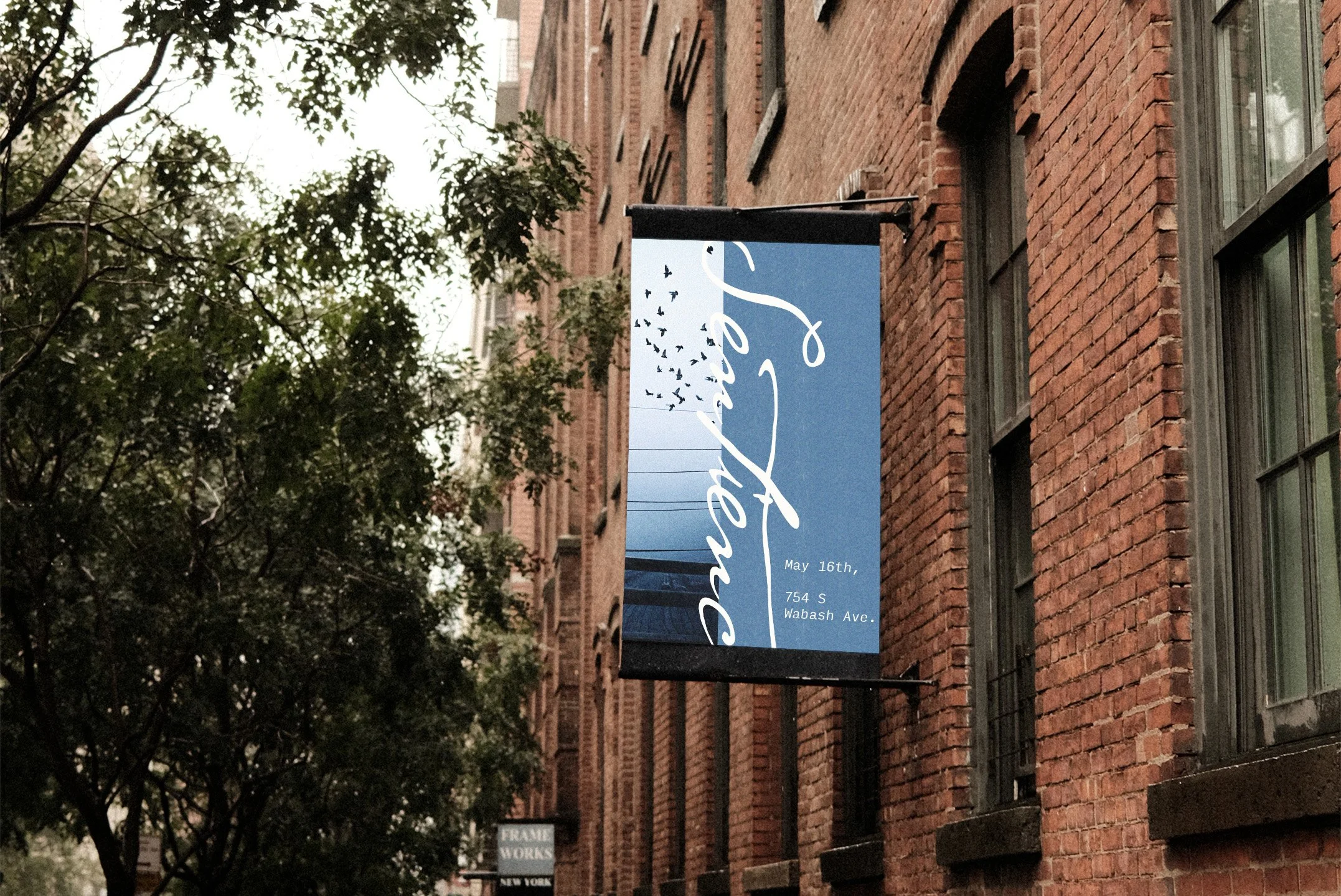
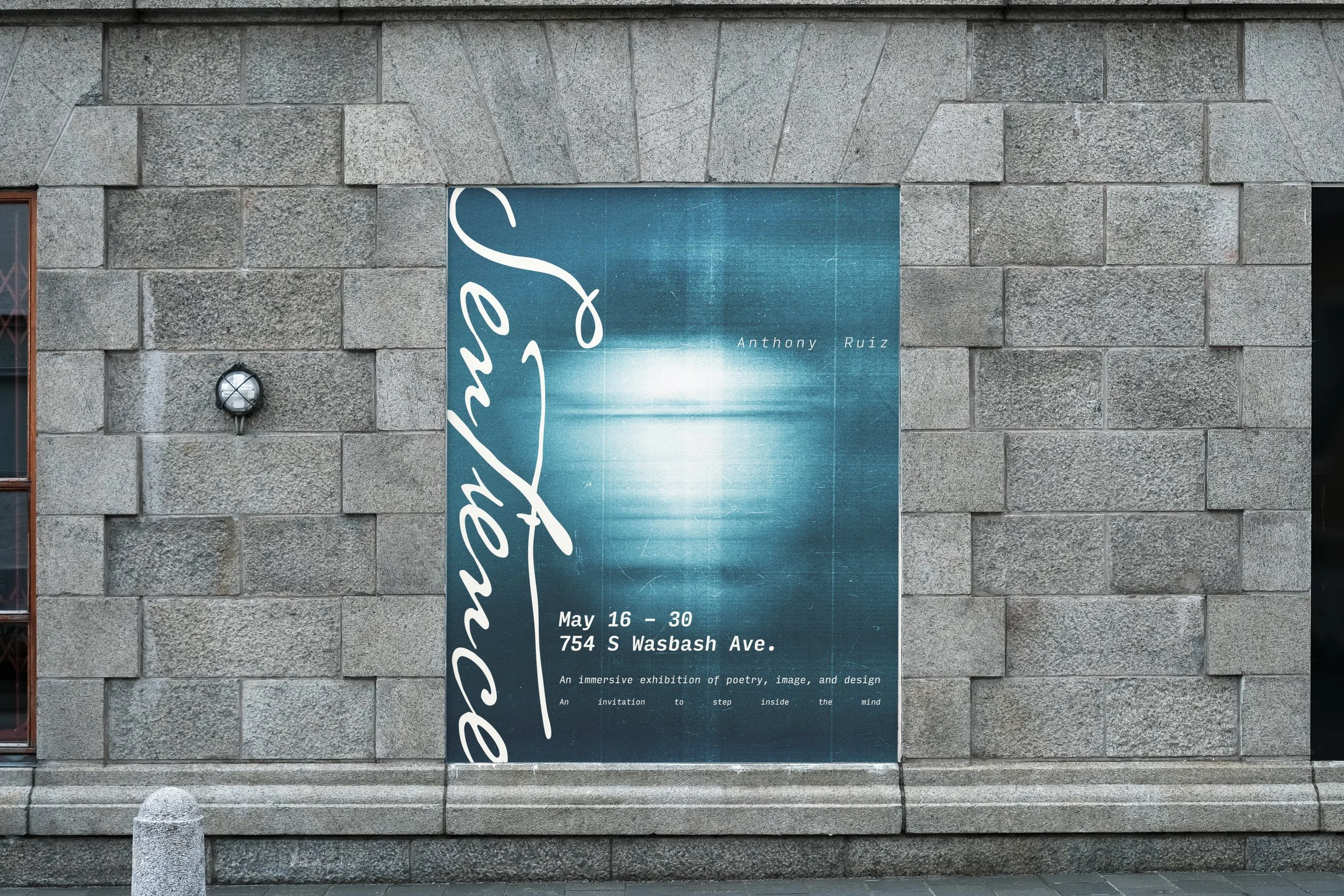
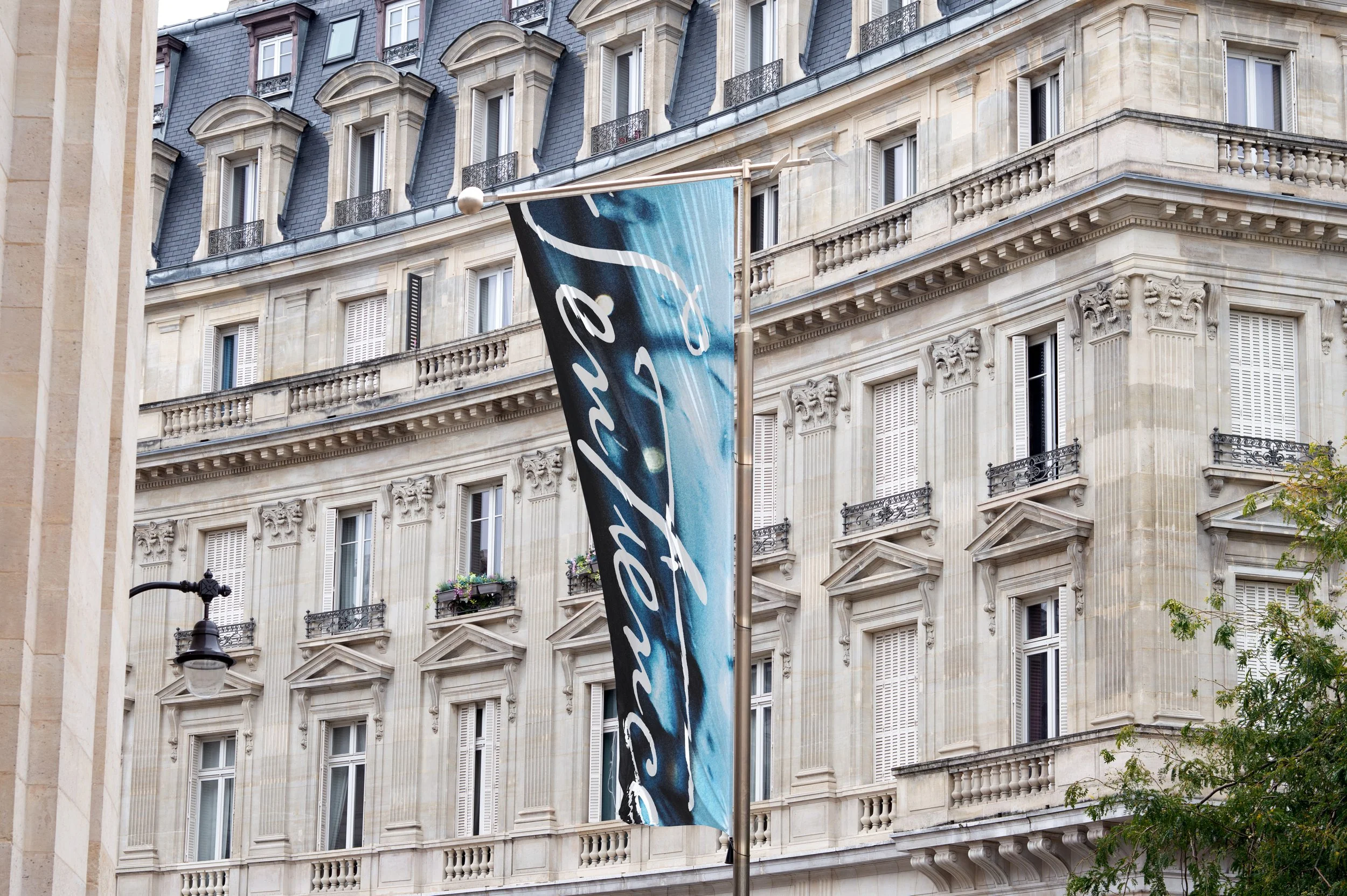
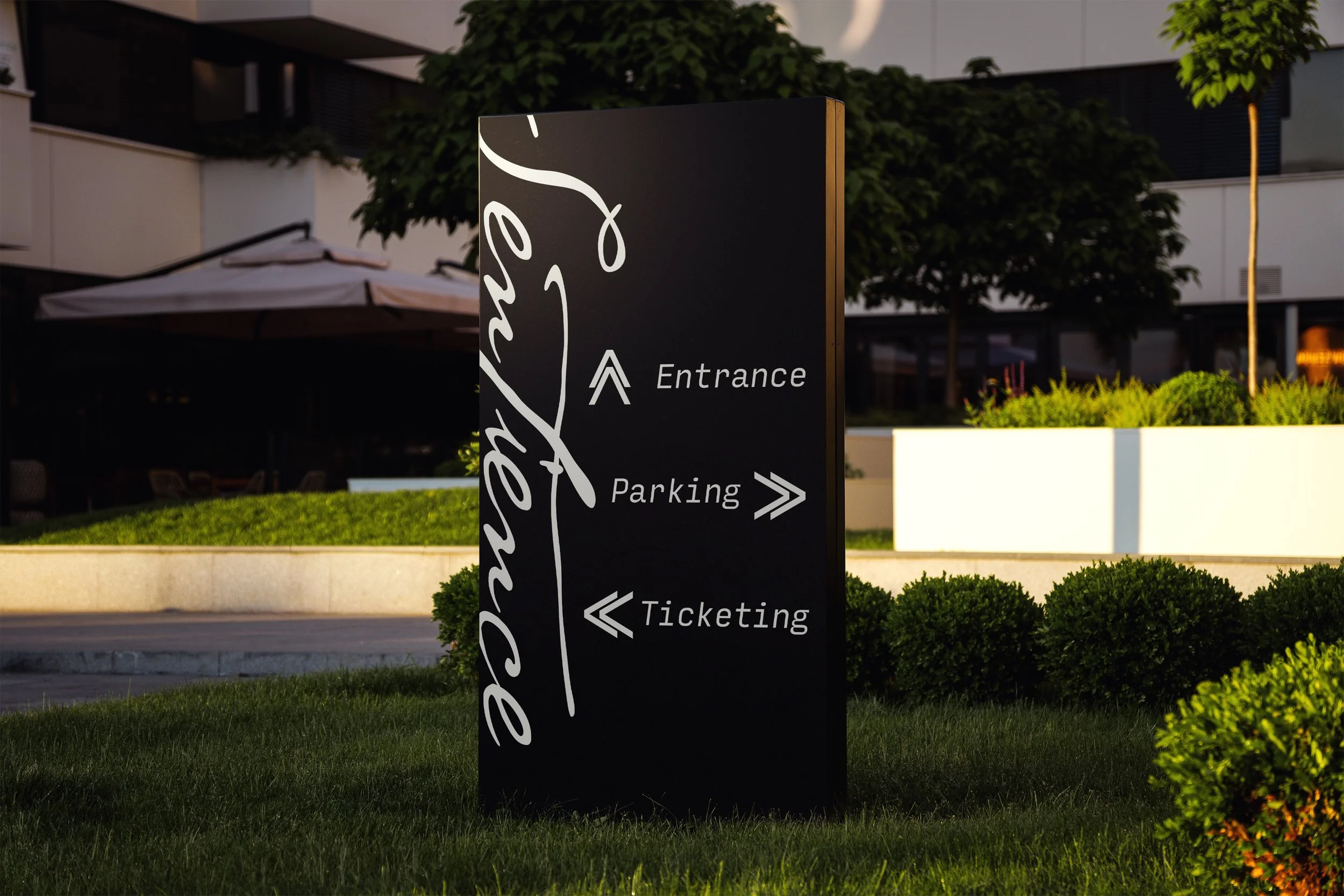
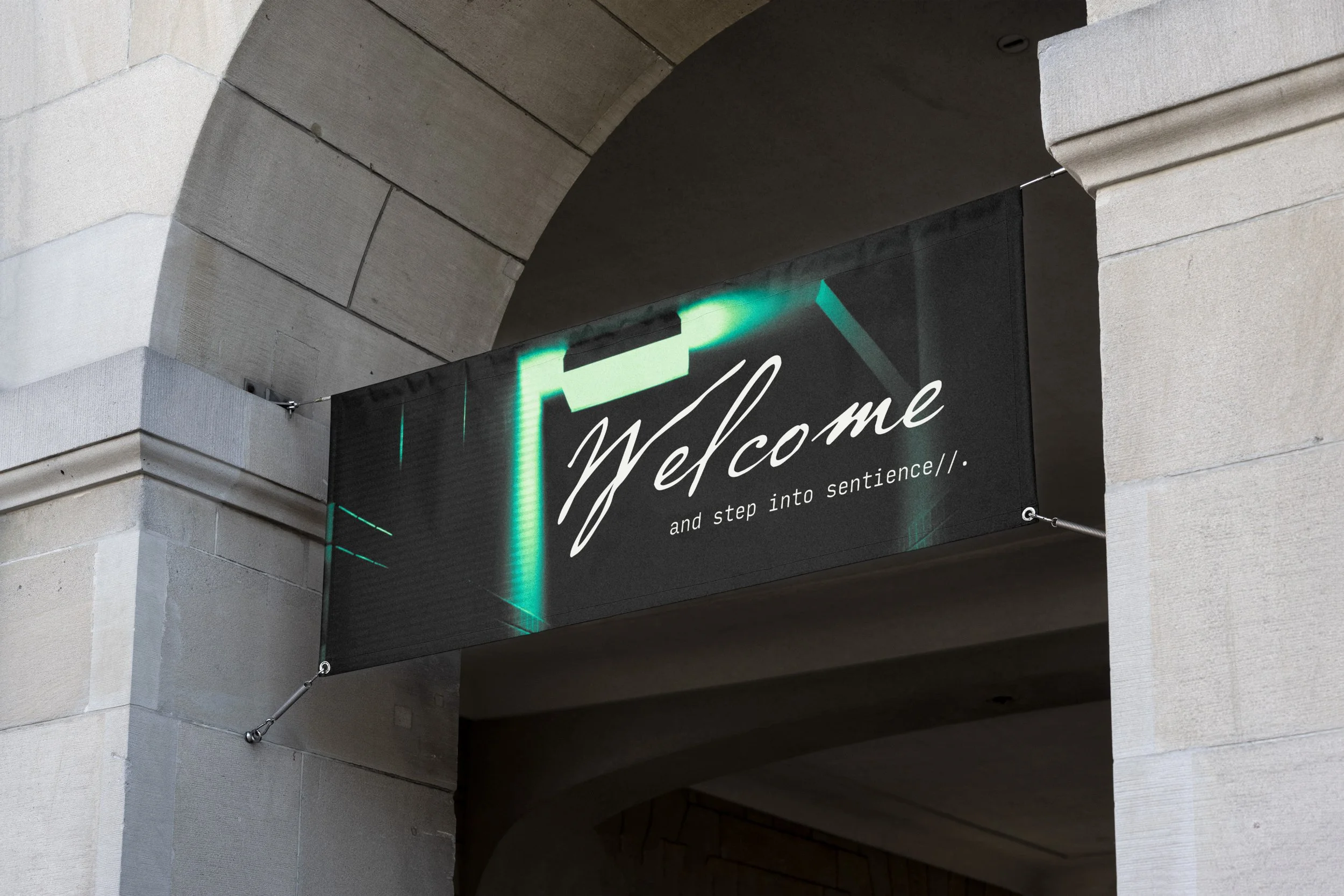
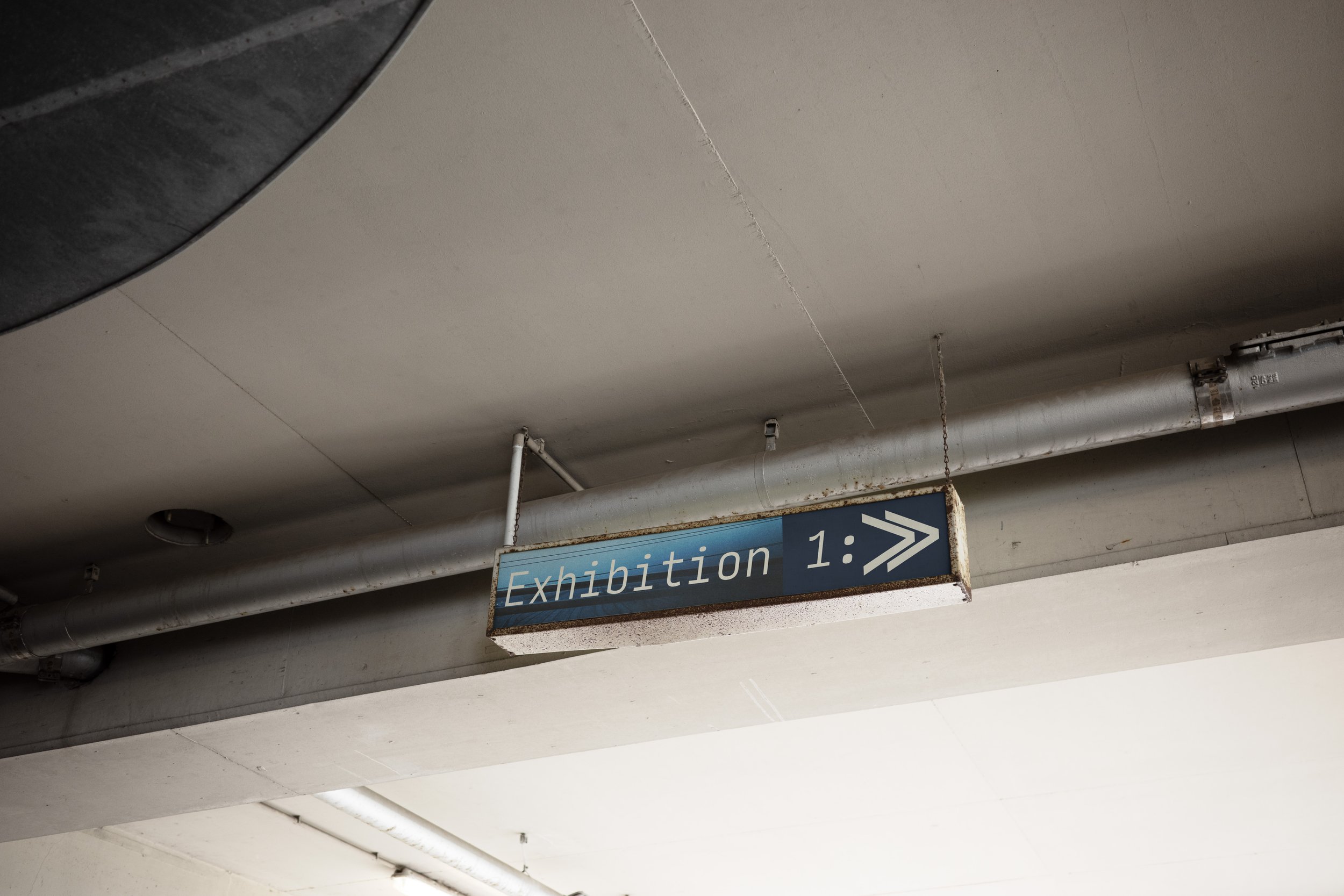
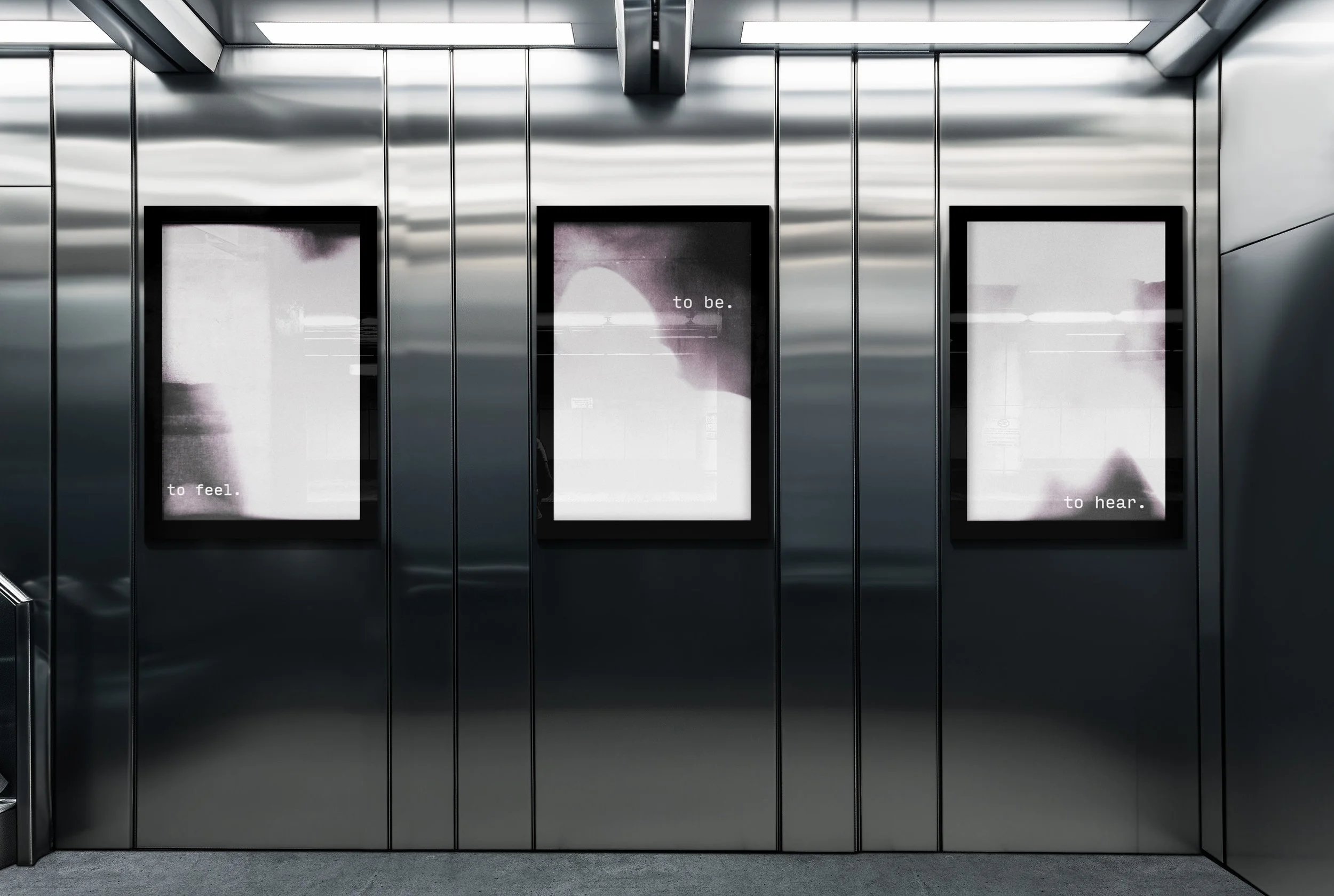
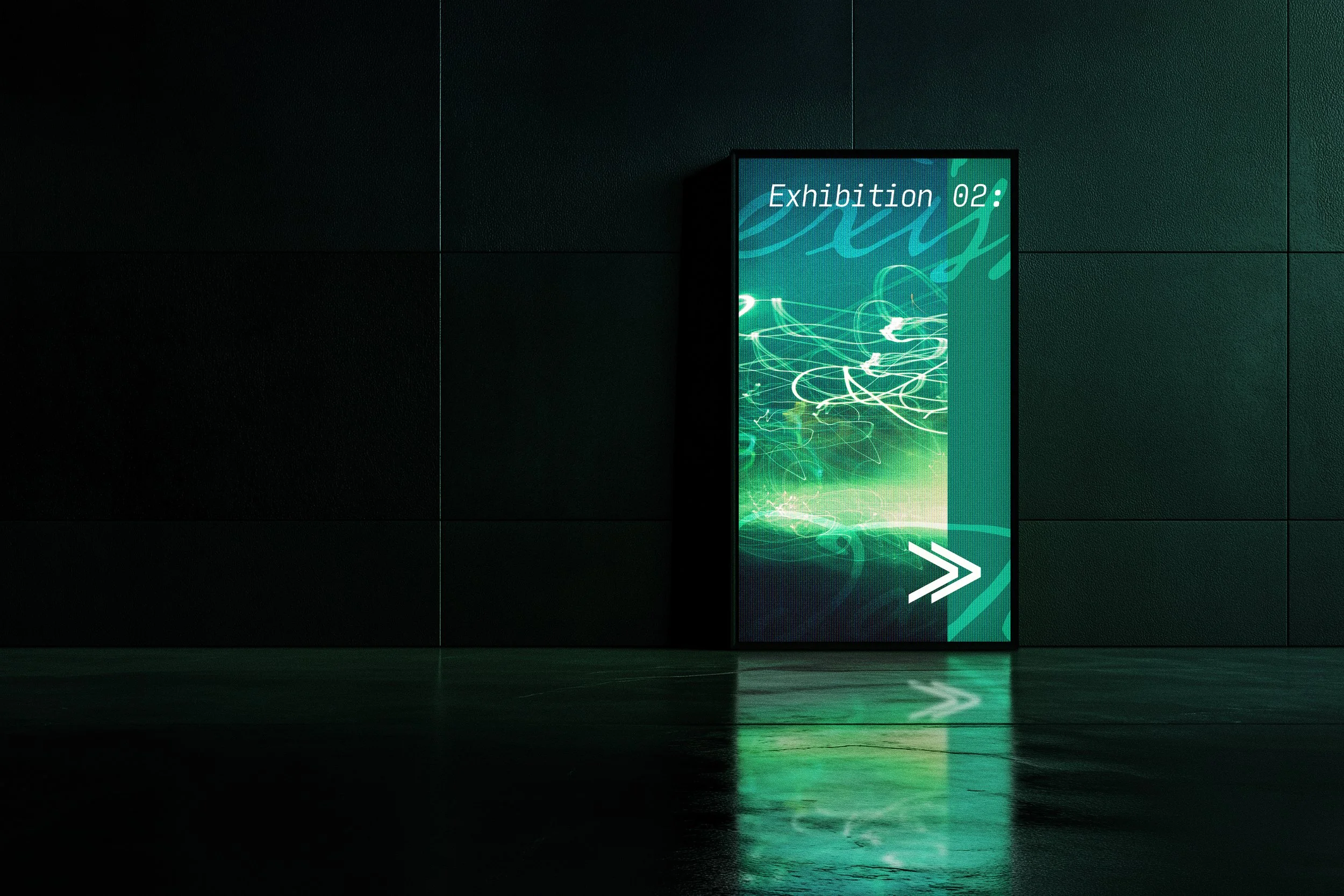
The exhibition identity was designed to feel gradual and atmospheric, beginning before the viewer enters the space. Through exterior flyers, banners, and environmental signage, the project uses minimal language and visual restraint to create curiosity, intimacy, and emotional anticipation.
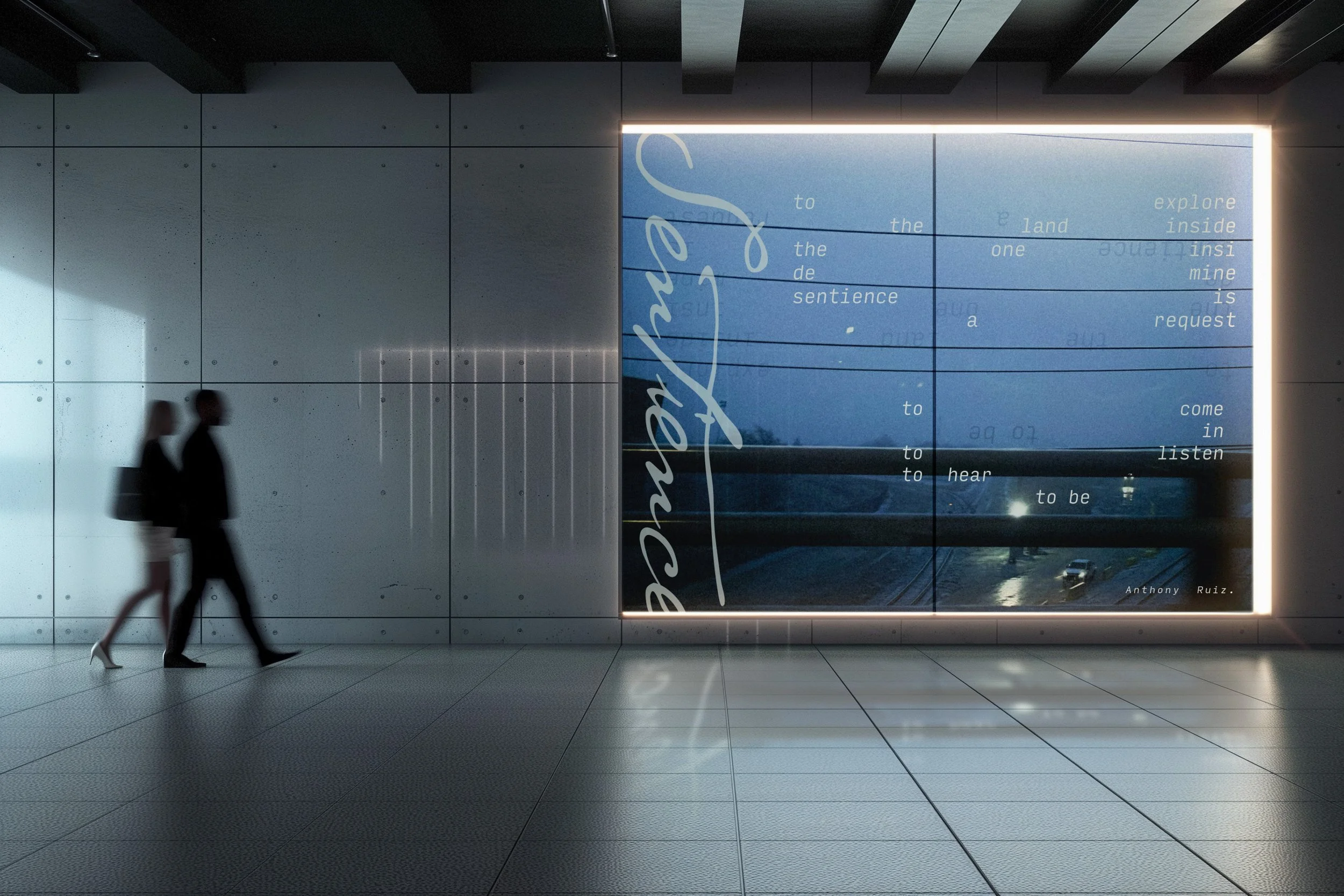
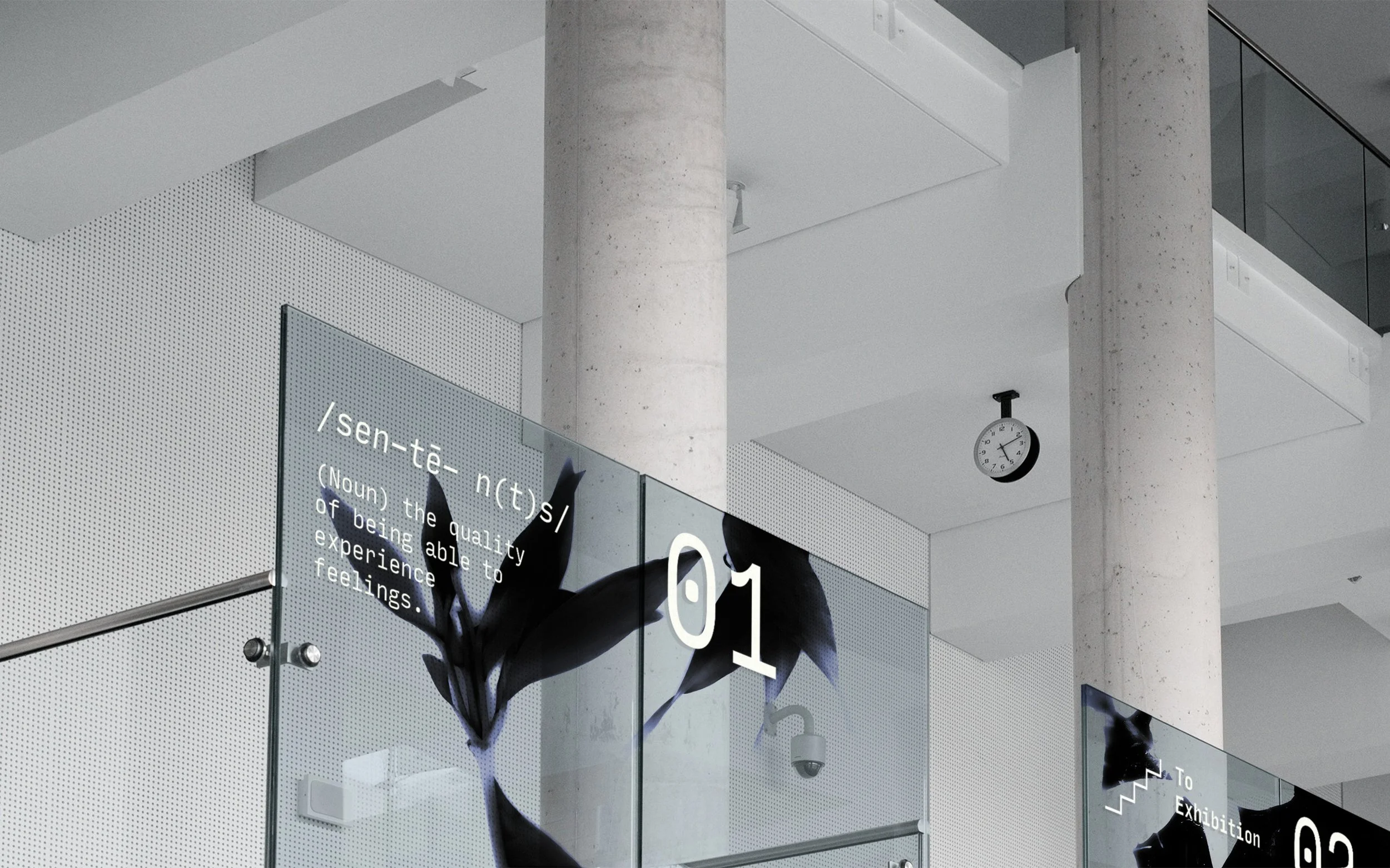
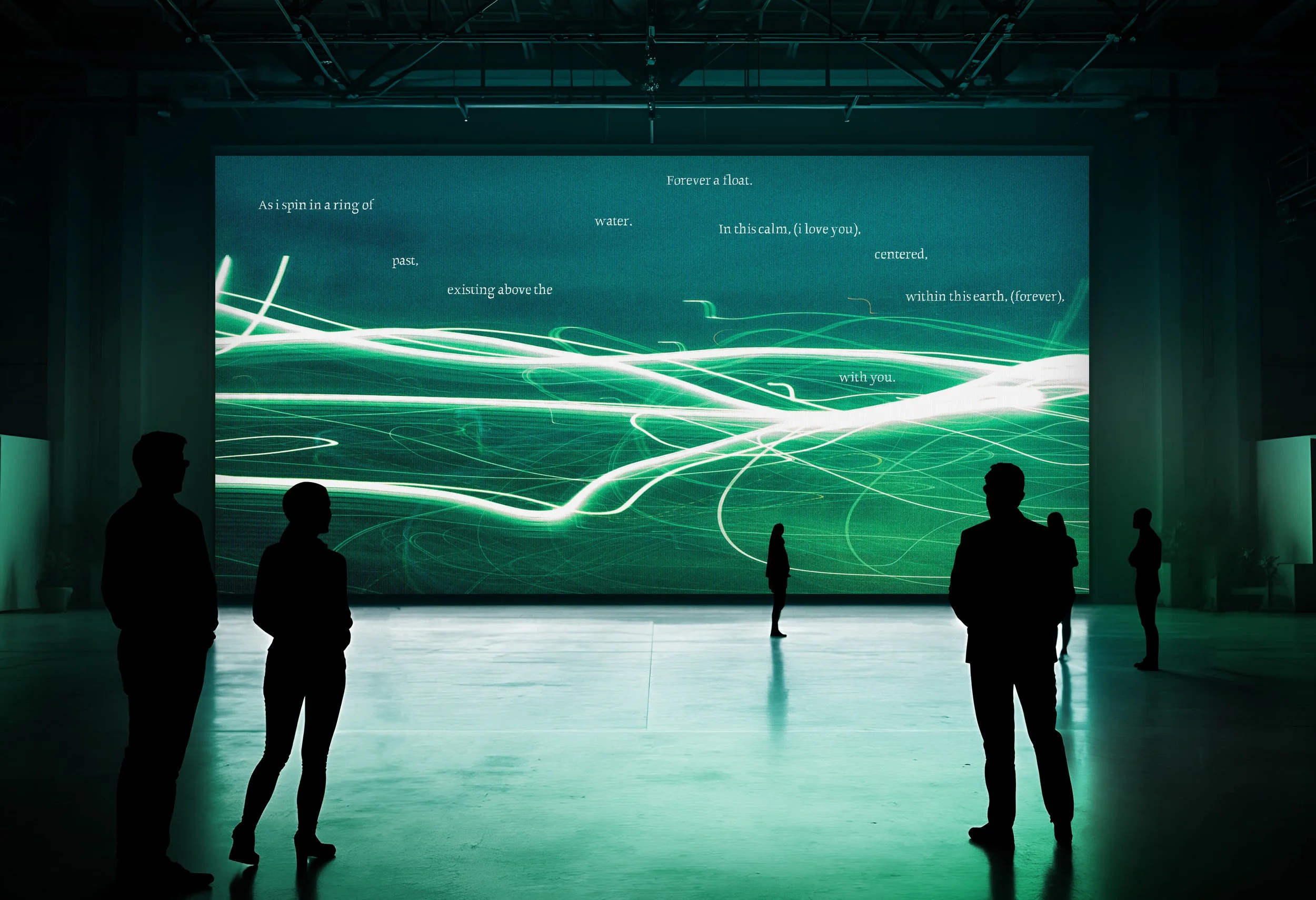
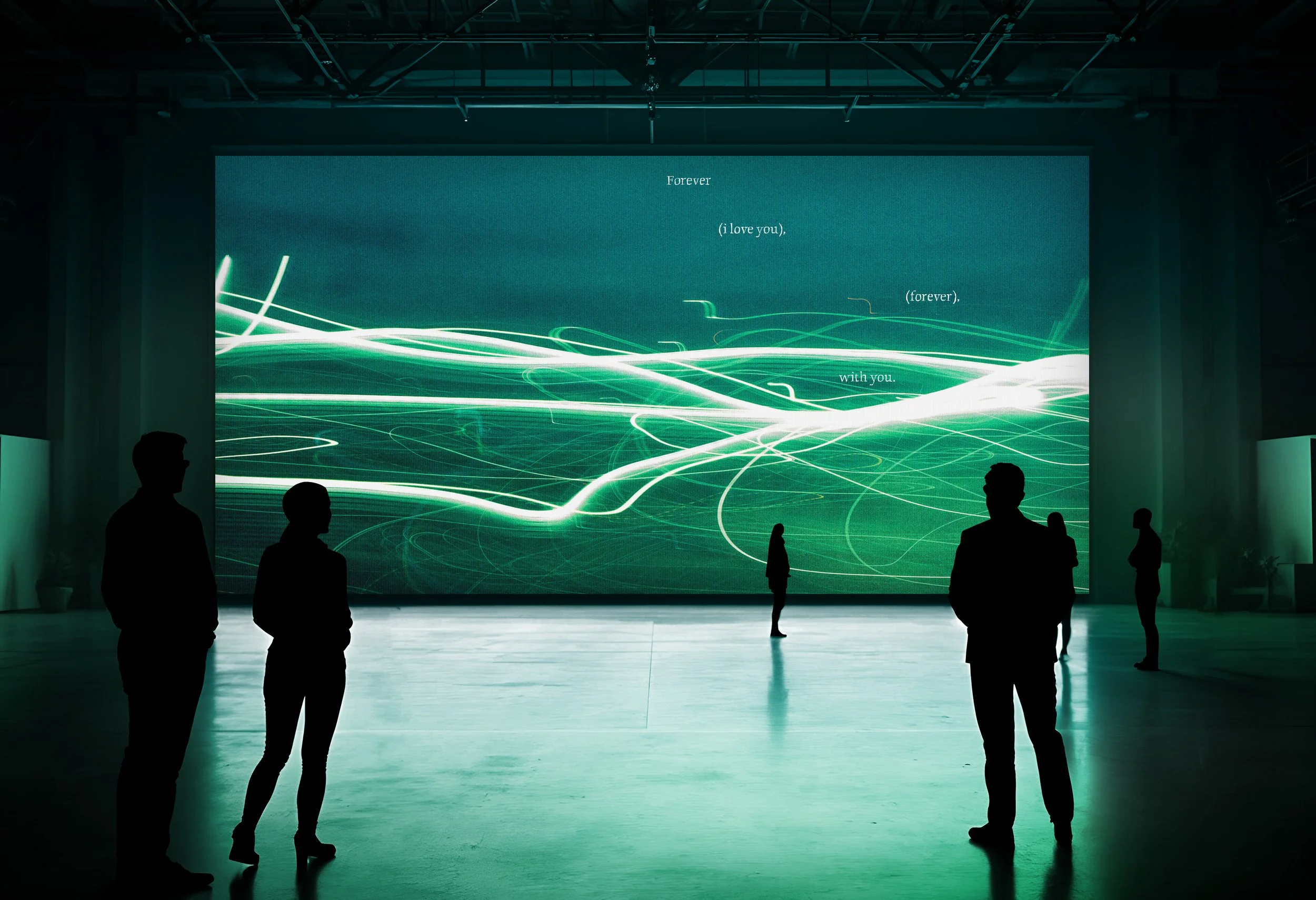
Inside the exhibition, typography becomes architectural. Fragments of poetry, layered imagery, transparent materials, and spatial pacing guide viewers through the environment in the same way rhythm and silence function within the publication itself. Rather than presenting information traditionally, the experience encourages emotional immersion through atmosphere, scale, and visual texture.
As both author and designer, Anthony Ruiz approached the project as a fully self directed visual system, integrating poetry, photography, creative direction, and editorial design into a singular emotional narrative. The work reflects an ongoing interest in how graphic design can function not only as communication, but as a method of emotional translation and world building.
Sentience ultimately explores how vulnerability can exist within design spaces without being reduced or hidden. By transforming personal writing into immersive experience, the project positions feeling itself as material, something capable of shaping image, typography, interaction, and space.